



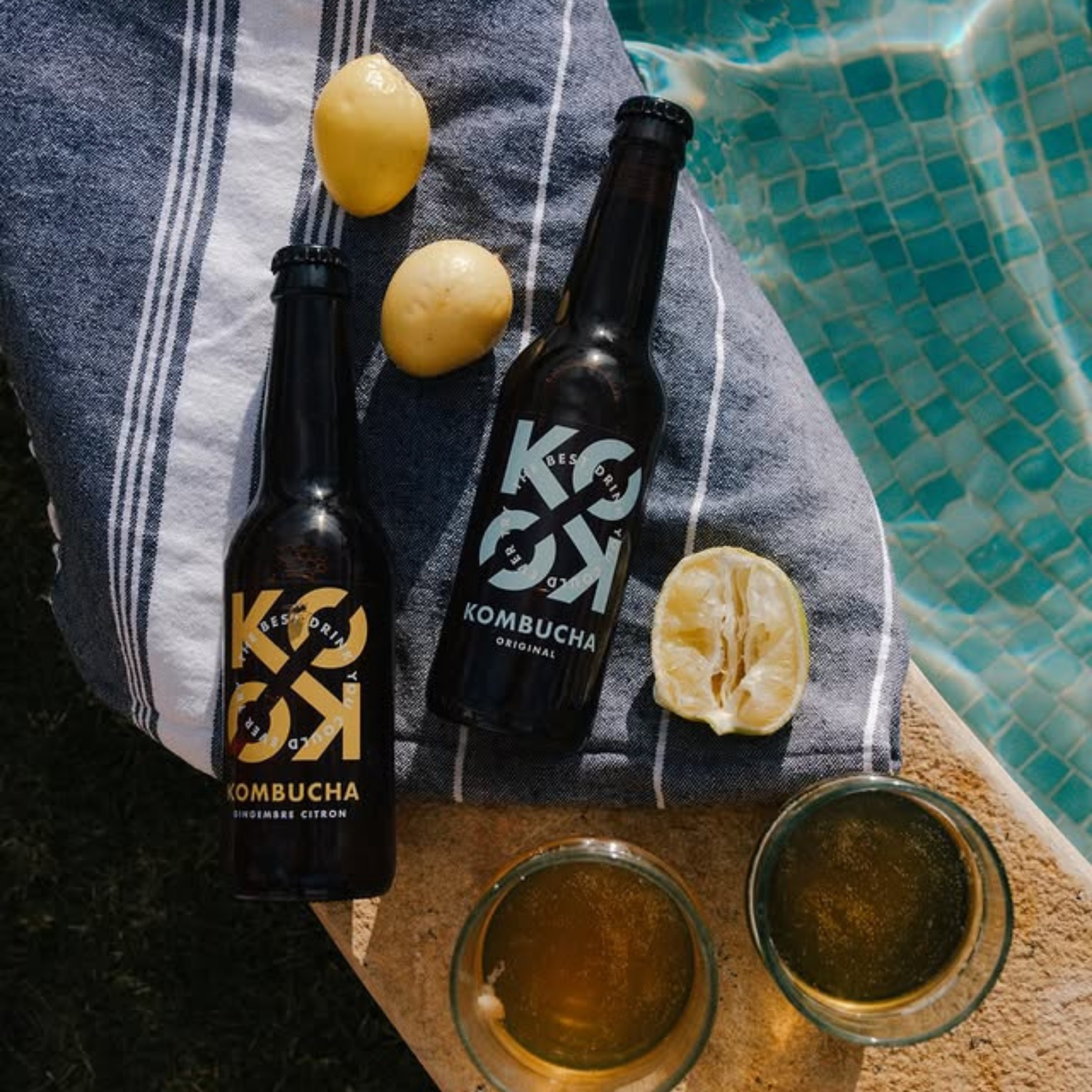
If you have never heard of kombucha, you have probably spotted this drink on the shelves of health food shops, trendy cafés or even in the drinks aisle of your supermarket. But what exactly is kombucha, and why is everyone talking about it? In this article, we will dive into the fascinating world of this fermented drink, discover how it is made, explore its health benefits, look at the ways it can be used, and shine a light on three must-know brands: Koko, Iconik, and Archipel.
What is kombucha and how is it made?
Kombucha is a fermented drink, born from the meeting of tea (black or green) and a symbiotic culture of bacteria and yeast, known as SCOBY (Symbiotic Culture of Bacteria and Yeast). The production process begins with the tea, to which sugar is added. The SCOBY is then introduced into this mixture, and fermentation begins. During this process, the yeasts convert the sugars into alcohol, and the bacteria convert the alcohol into organic acids, thus creating this lightly sparkling and tangy drink.
Fermentation can last between 7 and 30 days, depending on the temperature and sugar concentration. The longer the fermentation, the more tangy and probiotic-rich the kombucha becomes — these live bacteria play an essential role in gut health.
To limit any potential alcohol residues, techniques such as reducing fermentation time, controlling temperature or using specific yeasts are applied. After fermentation, the kombucha can be filtered or pasteurised to stabilise the product before bottling.
What is the difference between kombucha and kefir?
Although often confused, kombucha and kefir differ primarily in their fermentation method. Kombucha ferments from tea and a SCOBY, whereas kefir comes from milk or water and uses kefir grains. Their flavours and benefits also differ, with kefir often being creamier and richer in protein.
The health benefits of kombucha
Kombucha is appreciated not only for its refreshing taste, but also for its many benefits. Here are a few reasons why this drink has become a must-have:
- Rich in probiotics: The fermentation of kombucha produces probiotics, which contribute to a balanced gut microbiome and better digestion. By improving intestinal flora, kombucha helps to relieve digestive discomfort, such as bloating and gastric complaints.
- Natural detoxifier: Thanks to its organic acids and enzymes, kombucha helps to eliminate toxins from the body, particularly at liver level.
- Source of antioxidants: Made from tea, it retains antioxidant properties, helping to combat free radicals and protect cells from ageing.
- Natural energy: Thanks to the low caffeine content from the tea and the presence of B vitamins, kombucha offers a natural energy boost, without the negative effects of industrially produced energy drinks.
- Low-calorie drink: Perfect for those looking to reduce their sugar intake, kombucha generally contains fewer calories than sodas or fruit juices.
- Sports recovery: Kombucha, thanks to its hydrating properties and nutrients, can be a great drink for athlete recovery, promoting hydration and electrolyte replenishment.
The diversity of the range: 3 brands to watch
Nowadays, kombucha comes in an impressive variety of flavours and brands, each with their own style and identity. Among the most popular in France, three brands stand out for their unique approach: Koko Kombucha, Iconik and Archipel.
1. Koko Kombucha : less guilt, more wellbeing.
Koko Kombucha offers you a new way to enjoy apéritif time without the guilt, with a refreshing, organic and 100% natural drink. Certified Organic by Ecocert, this gluten-free, low-sugar and preservative-free kombucha is produced in France with an eco-responsible commitment. Every sip reveals delicate notes of fruit and floral nuances, with a naturally acidic touch. Available in Ginger/Lemon, Raspberry/Hibiscus and Peach/Elderflower flavours, Koko Kombucha combines pleasure and health benefits, whilst being the ideal drink for convivial alcohol-free moments.
2. Iconik : the innovative food of tomorrow
Iconik kombuchas, developed by the Lyon-based brand ICONIK Foods, shake up the codes of food and drink with sparkling, functional and innovative beverages. True to its mission of offering healthy and flavoursome alternatives, Iconik produces naturally fermented kombuchas made from premium teas. With bold flavours such as Blueberry/Blackcurrant and Ginger/Lemongrass, this drink combines gustatory pleasure with nutritional benefits. Through meticulous production that blends modern techniques with artisan know-how, Iconik Kombucha guarantees an explosion of freshness that will revitalise your everyday life.
3. Archipel : creative fermentations by taste explorers
Archipel stands out for its artisan approach and its commitment to local and responsible production. Its entire range, made without tea leaves, makes use of French fruit tree leaves (raspberry, blackcurrant, fig and clementine) for quality sourcing and a unique flavour profile. Crafted with finesse, each drink is an exploration of complex, lightly sweet flavours, designed to reinvent alcohol-free moments of conviviality. Brewed in the Côte-d'Or with carefully selected French raw materials, Archipel is part of the craft movement, echoing artisan beers and natural wines.
Why has kombucha become a trend?
The growing success of kombucha can be explained by several factors. First and foremost, the rise in popularity of healthy diets and lifestyles has encouraged consumers to seek natural alternatives to sugary sodas and industrially produced drinks. Kombucha, with its probiotic properties and low sugar content, has emerged as a healthier and equally enjoyable option.
Furthermore, the unique taste of kombucha — at once tangy, sparkling and lightly sweet — offers a sensory experience distinct from other fermented drinks such as beer or cider. This makes it accessible to a wide range of consumers, whether they enjoy light drinks or are in search of new taste experiences.
Finally, kombucha fits perfectly into the homemade and artisan trend, with brands such as Koko, Iconik and Archipel championing the quality and authenticity of their ingredients.
Kombucha as a base for complex blends: proxies
Beyond being a drink in its own right, kombucha can also serve as a base for more elaborate creations called proxies. These non-alcoholic gastronomic drinks are elegant alternatives to wine, designed to be paired with dishes and elevate meals through complex flavour combinations. Proxies often incorporate kombucha, to which herb, spice, fruit and fermented ingredient infusions are added, creating drinks with sophisticated aromas and unique textures. Just like wine, they can offer gustatory richness and a subtle balance between acidity, sweetness and bitterness, making them an ideal option for food and drink pairings at gastronomic meals. These proxies thus offer a refined experience for those looking to savour a non-alcoholic drink whilst enjoying the pleasures of the table.
Alcohol-free cocktails made with kombucha: highly recommended
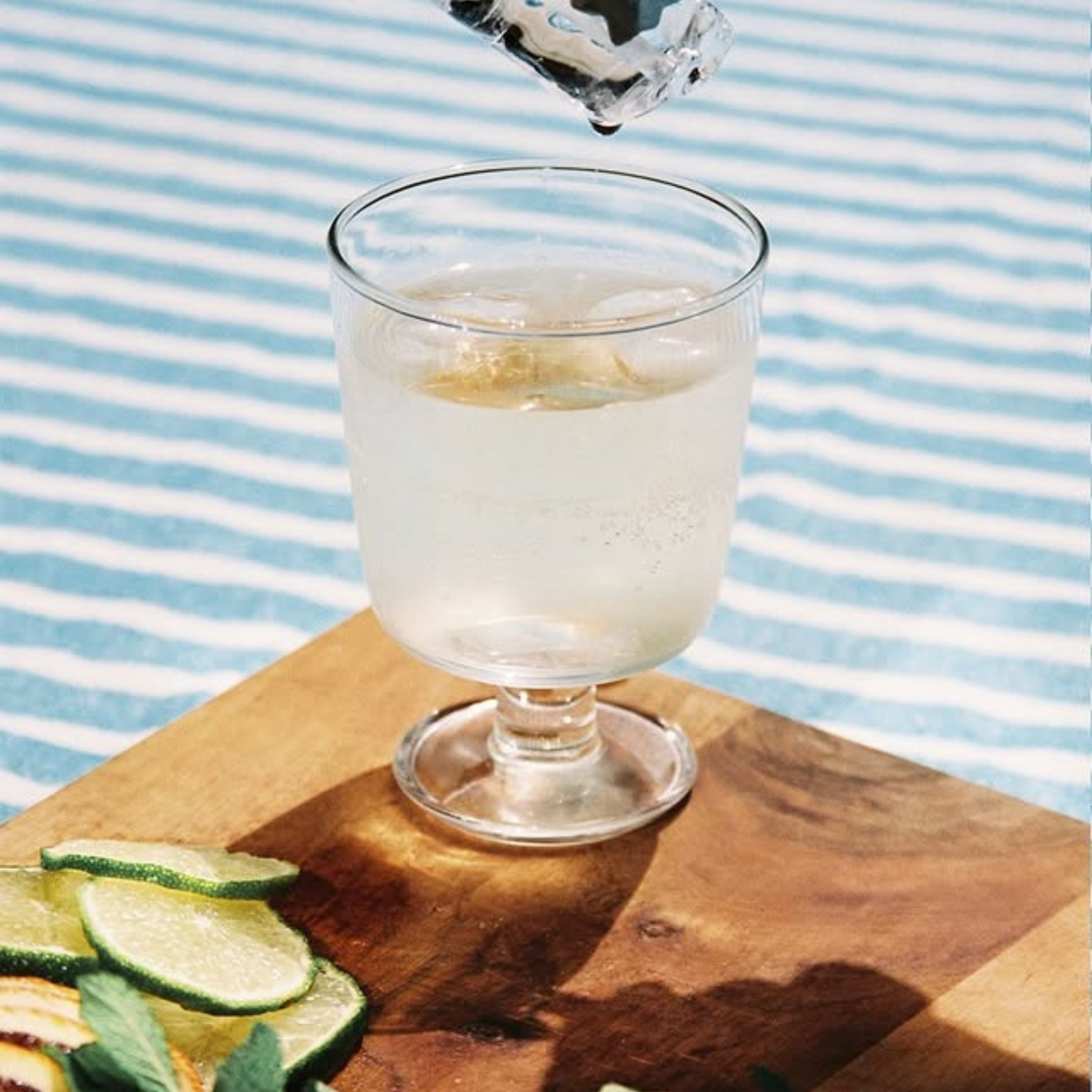
Kombucha is becoming increasingly popular in the world of alcohol-free cocktails, particularly in combination with 0% spirits. Its aromatic complexity, with lightly tangy and sometimes fruity notes, makes it an excellent base for creative mocktails. Its fermentation gives it a unique flavour profile that subtly recalls that of alcoholic drinks, offering a depth and character that few other non-alcoholic drinks can match. When paired with 0% spirits, such as gin or alcohol-free rums, kombucha makes it possible to create sophisticated and refreshing cocktails. It is the perfect ally for those seeking festive and flavoursome alternatives, without compromising on taste or conviviality.
Conclusion
Kombucha is far more than a passing trend. It is a drink that combines tradition, health benefits and gustatory pleasure. Brands such as Koko Kombucha, Iconik and Archipel are part of this trend by offering quality products that are respectful of the environment and suited to all palates. Whether you are curious to discover new flavours or looking to adopt a healthier lifestyle, kombucha could well become your new favourite drink!
