
Alcohol-free rosé exists. And it's genuinely good. That's what we're hearing more and more at Gueule de Joie — and rightly so. The category has exploded in quality over recent years. Winemakers have invested, dealcoholisation techniques have improved, and the results today are radically different from those first attempts.
But with an offer that is diversifying, how do you find your way? How do you choose an alcohol-free rosé that delivers on its promises — one that truly tastes like rosé, not like an upgraded grape juice?
This guide answers all your questions. Production, styles, label reading, serving, pairings, 2026 selection — here is everything our wine experts know.
In summary
Alcohol-free rosé is made from real wine, from which the alcohol is removed by vacuum distillation, reverse osmosis, or fermentation arrest. It comes in still, sparkling, or structured versions. Served between 6 and 10°C, it pairs with the same dishes as its classic counterpart: fish, light charcuterie, fresh cheeses, and summer salads.
How is alcohol-free rosé made?
Before choosing a bottle, it is useful to understand what it contains. There are three main approaches to producing a good-quality alcohol-free rosé wine:
Vacuum distillation. The wine is produced normally through to completion — full fermentation, careful winemaking — then the alcohol is removed at low temperature. This preserves the aromas and structure. It is the preferred method of the leading European dealcoholised wine houses.
Reverse osmosis. A highly precise membrane filtration technique that separates the alcohol from the other components of the wine. Very effective at preserving fruity aromas and freshness.
Fermentation arrest. Fermentation is stopped before all the sugar is converted into alcohol. The result is slightly sweet, fresh, and very fruity — perfect for a festive rosé style.
Each method produces a slightly different result. And that's a good thing: it creates diversity in the aromatic profiles of our selection.
The 3 styles of alcohol-free rosé
Just as with classic rosés, there is no single "one" alcohol-free rosé — there are several distinct profiles.
Style 1 · Fruity still rosé
This is the most accessible style. Aromas of strawberry, raspberry, sometimes peach or melon. A light finish, immediate freshness. Ideal for aperitif or warm days outdoors. Serve very chilled (6–8°C) to enjoy it at its best.
Best for: fans of light Provençal rosés, alcohol-free newcomers, terrace aperitifs. Discover it in our alcohol-free wine selection.
Style 2 · Sparkling rosé
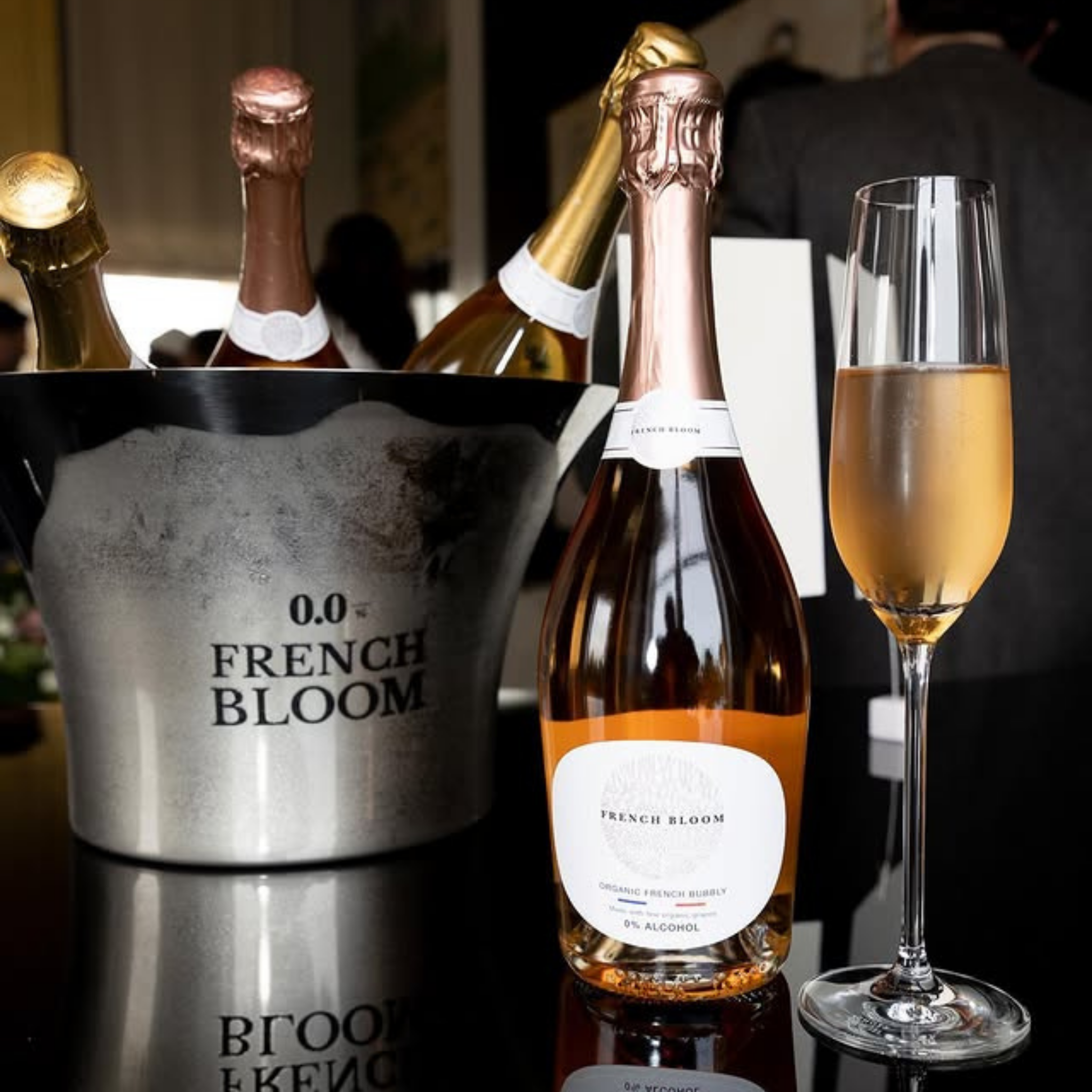
This is the big trend right now. Bubbles change everything — they bring vivacity, lightness, and an immediate sense of celebration. An alcohol-free sparkling rosé in a flute is pure visual and gustatory pleasure. Our alcohol-free sparkling wine collection includes rosés that would hold their own at any festive table.
Best for: festive occasions, dinner parties, wedding receptions, pregnant women who want a celebratory glass.
Style 3 · Gastronomic structured rosé
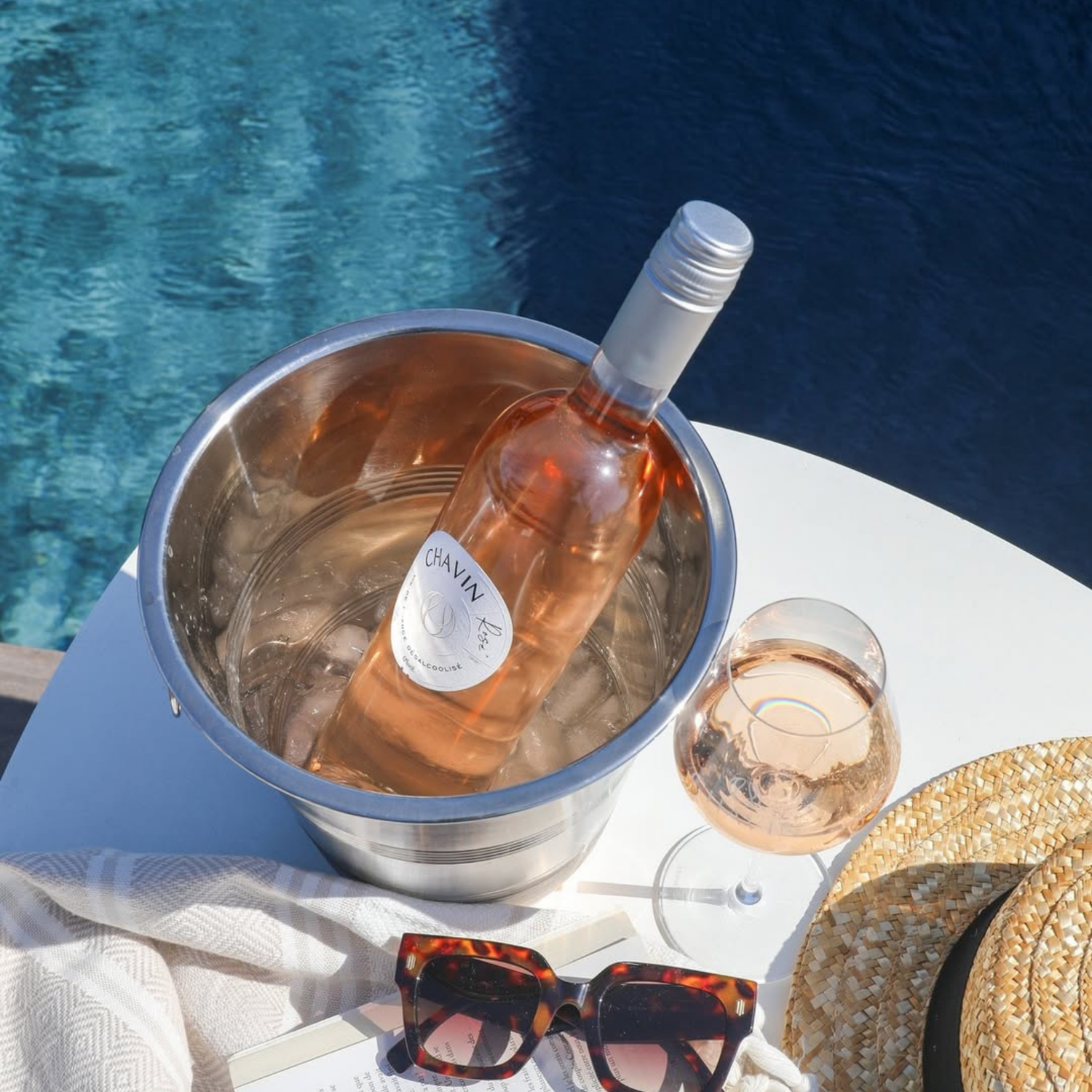
Rarer, but increasingly present in our 2026 selection: dealcoholised rosés with real body on the palate, a certain roundness, and more complex floral notes. Perfect at the table, with grilled fish or a niçoise salad.
Best for: discerning wine lovers, gastronomic pairings, long meals. Check our alcohol-free drinks FAQ for all questions on composition and production.
How to read the label on an alcohol-free rosé
A few key pointers to help you choose with confidence:
The alcohol content. A "alcohol-free" rosé can range from 0.0% to 0.5% under European legislation. At Gueule de Joie, we select bottles between 0 and 0.5%, with particular attention to 0.0% profiles intended for pregnant women or those in total abstinence. To find out more, consult our FAQ.
The "dealcoholised" or "made from grapes" label. A genuinely good-quality alcohol-free rosé starts with a real wine. Be wary of drinks that call themselves "rosé style" without specifying their origin.
The grape variety. Grenache, Syrah, Cinsault, Merlot… The grape varieties used for alcohol-free rosés are the same as for classic rosés. Recognising them will help you anticipate the aromatic profile.
The sugar content. At Gueule de Joie, we select drinks that are 3 times less sweet on average than traditional juices and soft drinks. Expect 2 to 4g of sugar per 100ml — well below industrial soft drinks.
How to serve alcohol-free rosé properly
Serving is 50% of the experience.
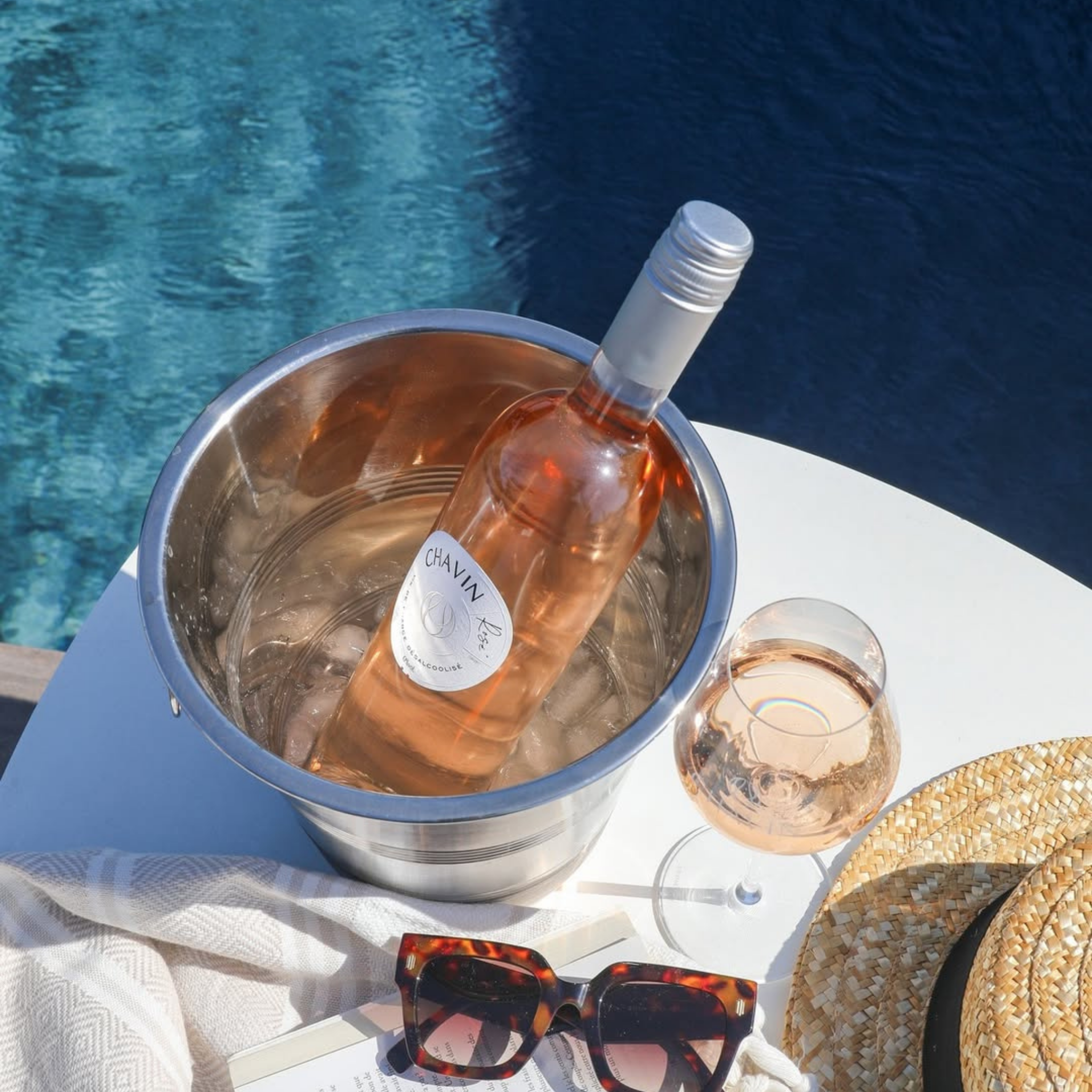
Temperature. Between 6 and 10°C for a still rosé, 4 to 6°C for a sparkling one. Refrigerate for at least 3 hours before serving, or 30 minutes in an ice bucket. Too warm, and the wine loses its freshness. Too cold, and the aromas close up.
The glass. A classic wine glass (stemmed) for a still rosé. A flute or coupe for a sparkling one. Avoid plastic cups, which alter the aromas.
The garnish. A lemon zest, a strawberry on the rim, a sprig of mint… These small details change the perception. We drink first with our eyes.
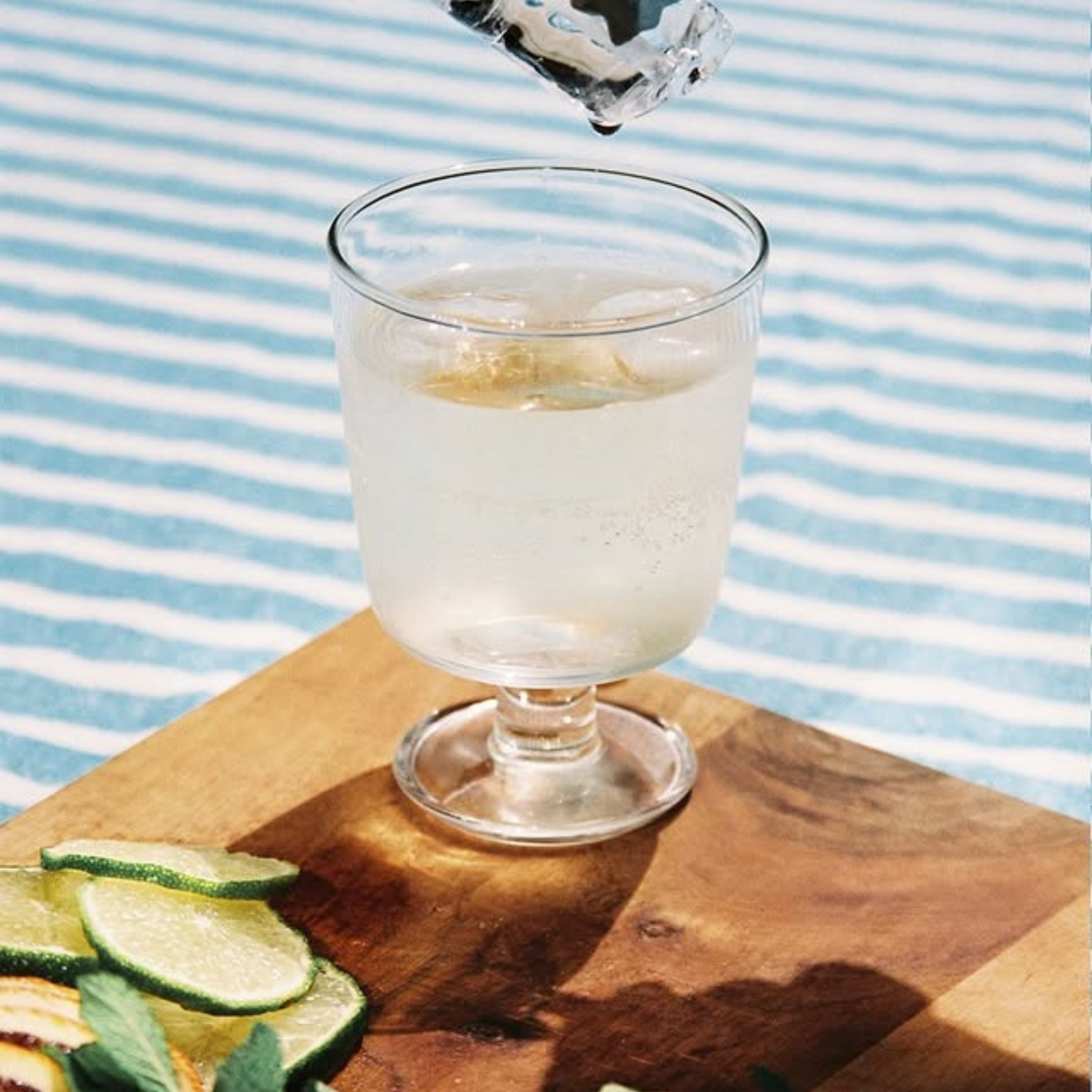
The ice cube tip. If the day is warm, freeze some rosé in ice cube trays — rather than water — to avoid dilution without warming your glass.
Food and alcohol-free rosé pairings
Alcohol-free rosé pairs with the same dishes as its classic counterpart.
With fish and seafood: the mineral freshness of a still alcohol-free rosé is perfect with grilled langoustines, salmon tartare, or a seafood platter.
With charcuterie and antipasti: the fruity roundness holds up well against dry sausage, marinated olives, or grilled peppers. A classic Provençal pairing, revisited.
With composed salads: niçoise salad, warm goat's cheese salad, tabbouleh… Alcohol-free rosé enhances simple flavours without overpowering them.
With fruity desserts: a slightly sweet rosé pairs beautifully with a strawberry tart, a melon sorbet, or a red fruit panna cotta.
The question we're asked most: "Does it really taste like rosé?"
Honestly? Not 100%. A dealcoholised rosé and a classic Bandol rosé are not identical. Alcohol adds body, warmth, and a certain depth that dealcoholisation cannot perfectly replicate.
But that's not the point. The point is to offer a drink that makes you want to be there, that fits at a table, that holds up to a gastronomic pairing, and that doesn't make you regret your choice. On that front, the best alcohol-free rosés in our selection have more than cleared the bar.
It is a different value proposition. Not a substitute: a fully-fledged alternative. To go further, our FAQ answers all the technical questions on production and composition.
Our alcohol-free rosé selection for spring 2026
Since 2019, we have tasted hundreds of alcohol-free wines. Our selection criterion is always the same: taste above all else. An alcohol-free rosé only enters our catalogue if it genuinely makes us want a second glass.
A few profiles available in our spring selection:
- Provençal fruity rosé — aromas of strawberry and peach, fresh and light finish. The ideal companion for terrace aperitifs.
- Sparkling celebration rosé — fine bubbles, salmon hue, pleasant finish. For occasions that deserve a proper glass.
- Gastronomic structured rosé — more complex, notes of grenadine and peony, ideal at the table.
→ See the full rosé and alcohol-free wine selection — free delivery from €80.
Also worth reading
- 7 easy alcohol-free cocktails to make at home
- Our manifesto beer: an alcohol-free lager brewed for its 7th anniversary
- The full alcohol-free wine selection
Frequently asked questions
Is alcohol-free rosé suitable for pregnant women?
Yes, provided you choose a bottle labelled 0.0% alcohol. At Gueule de Joie, several rosés in our selection are at 0.0% and suitable for pregnancy. Always check the label — our FAQ details the criteria to look for.
What is the difference between dealcoholised rosé and 0% rosé?
A "dealcoholised" rosé is a real wine from which the alcohol has been removed after fermentation. A "0%" rosé can also refer to grape-based drinks that have never fermented. Both can be excellent — origin and method matter more than terminology.
Should you put ice cubes in alcohol-free rosé?
Yes, that's possible, especially when it's warm. Ideally, use ice cubes made from the same alcohol-free rosé to avoid dilution. Ideal serving temperature: 8–10°C.
Which alcohol-free rosé should you choose for a wedding?
A dealcoholised sparkling rosé is ideal for wedding tables — visually festive and accessible to all guests. Our Pro Space also offers dedicated pricing for caterers and wedding planners.
Where to buy good-quality alcohol-free rosé?
Directly on gueuledejoie.com, with 48-hour delivery across France. You can also find our products in over 300 partner stockists, including V and B.
Gueule de Joie — France's first alcohol-free wine merchant since 2019. Over 450 references selected for taste, available with 72-hour delivery across France.
