
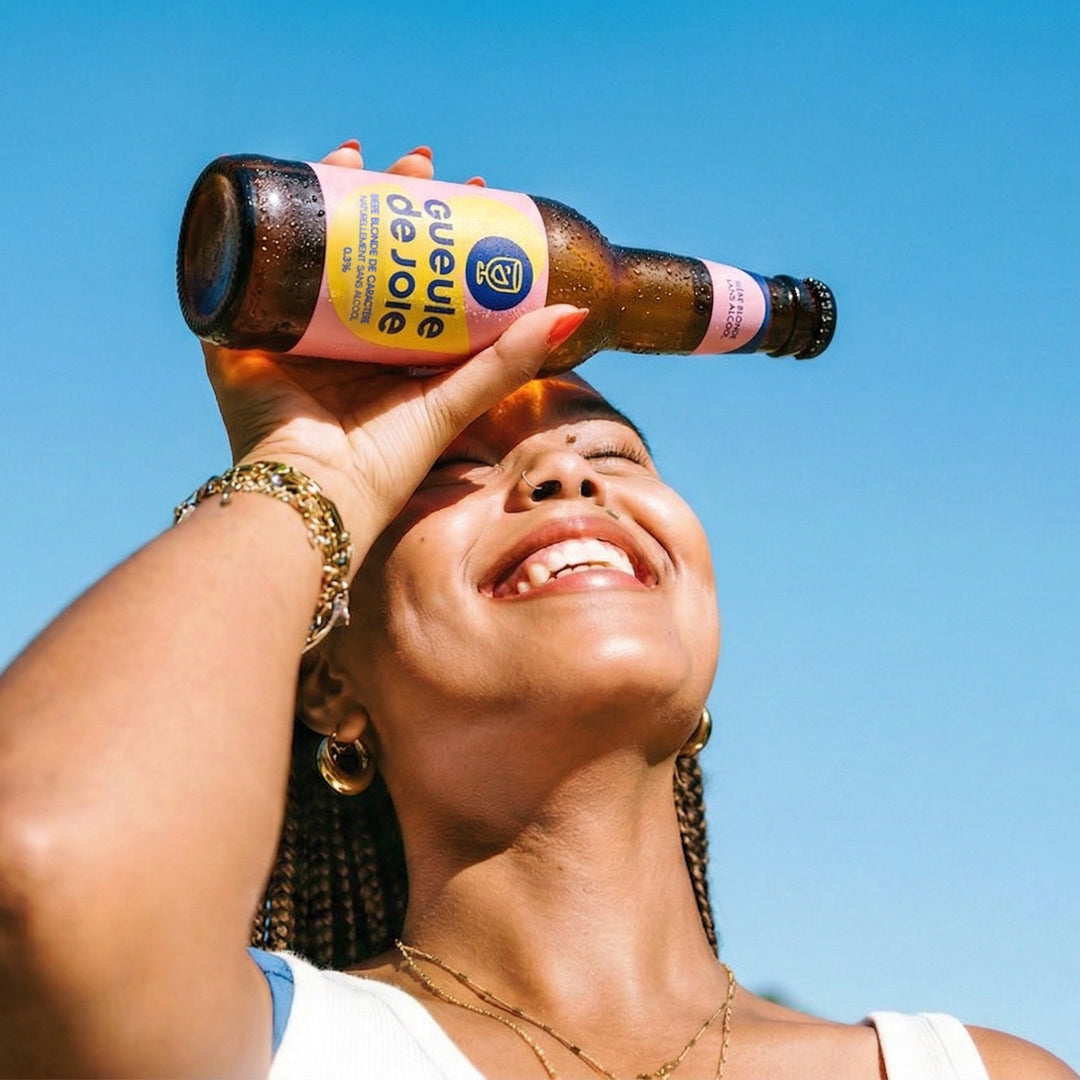
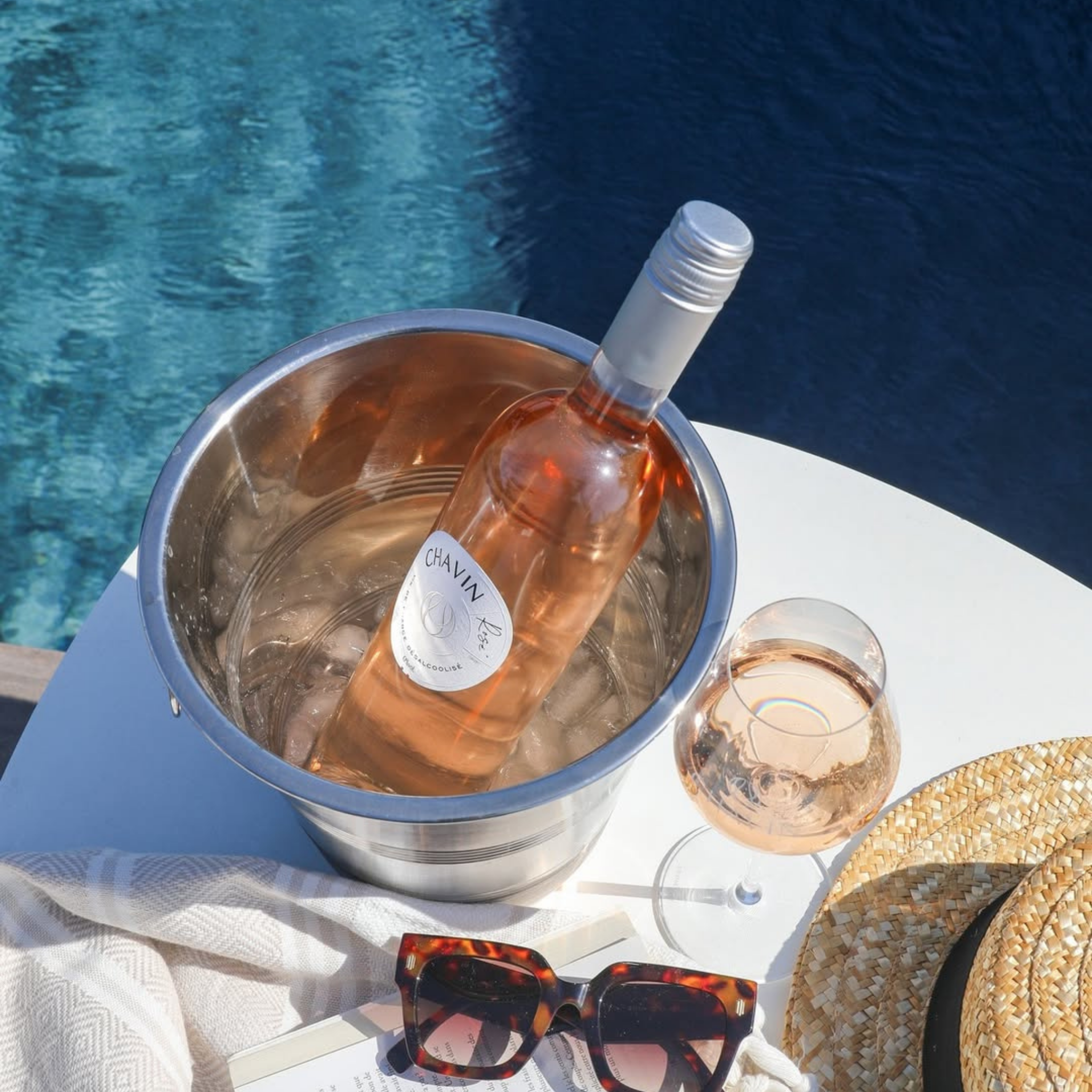
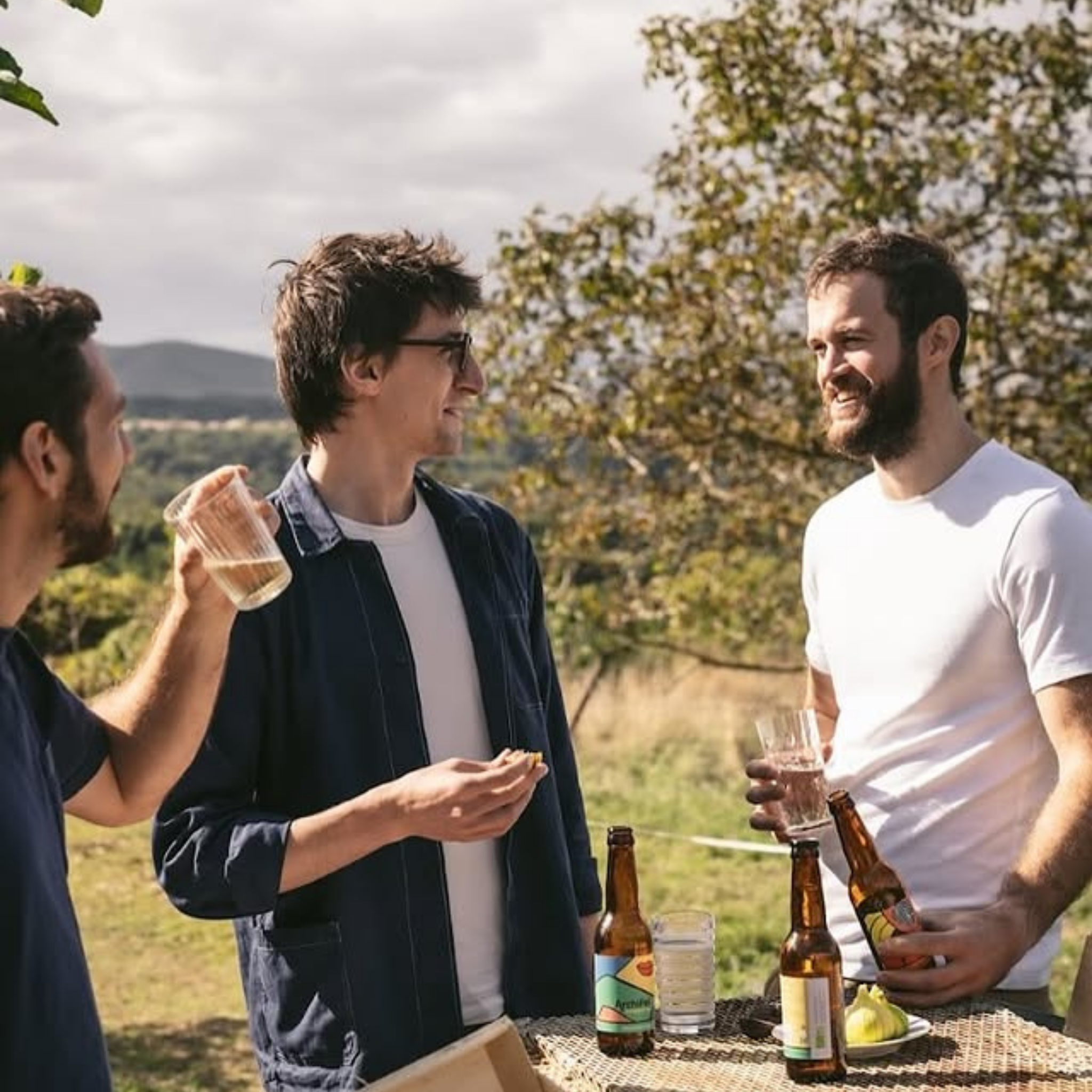
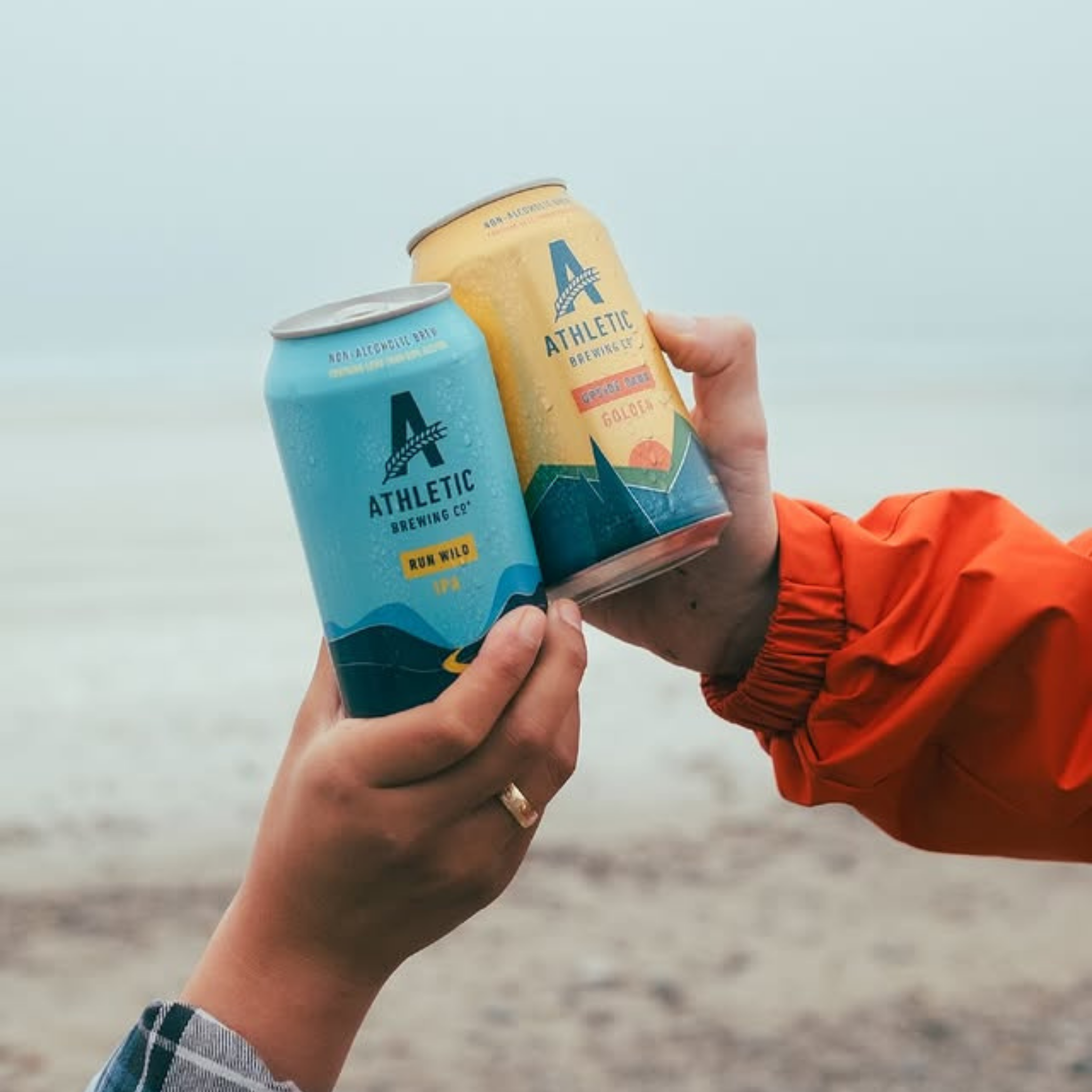
There is one thing nobody tells you when you are planning your wedding: among your guests, some do not drink alcohol. Not one or two — potentially a quarter, a third, sometimes more. Pregnant women, designated drivers, people who have voluntarily stopped drinking, religion, medication, simple preference. These guests do not always signal this in advance. They adapt. Often in silence, with a glass of water or a soft drink they would rather not have had in their hand.
Planning alcohol-free drinks worthy of the day is the simplest and most effective hospitality decision you can make. This guide covers the four key moments of your wedding and the concrete decisions to take for each one.
In brief Drinks reception · dinner · toast · evening: four moments, four different logics. Alcohol-free sparkling for the toast, dealcoholised wine at the table, ready-to-drink cocktails for the evening. Plan for 30 to 40% of drinks in alcohol-free versions — that is the proportion that reflects the reality of your guests.
Decision 1 · The drinks reception: inclusion from the very first glass
What your guests experience at this moment
The drinks reception is the most social moment of the day. Everyone gathers, glasses are filled, conversations start. It is also the moment when guests who do not drink alcohol are most visible — if their glass is less festive, everyone notices.
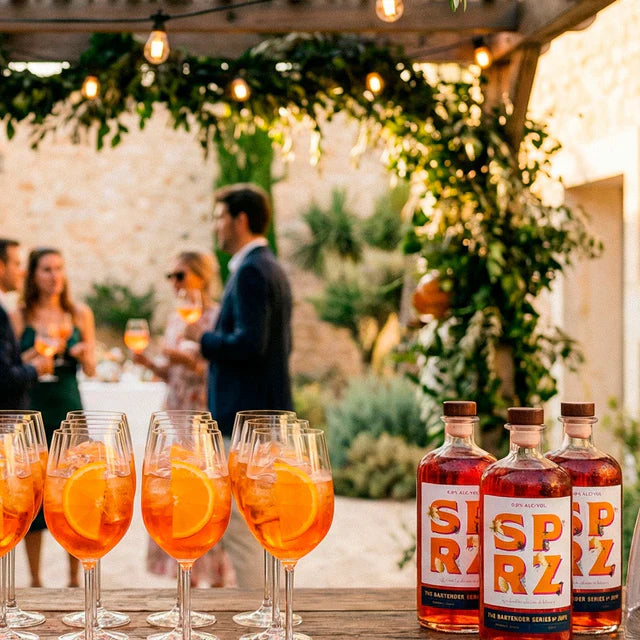
The solution is simple: offer a selection of alcohol-free drinks from the moment guests arrive, presented with the same care as the wines. Not tucked away in a corner — on the same table, in the same glasses, with identical garnishes.
An alcohol-free sparkling, a ready-to-drink spritz cocktail, a premium soft drink: three references are enough to cover every profile. The challenge is not quantity — it is the quality of presentation.
💡 The wine merchant's tip: designate someone (a server, a close friend or family member) to actively offer alcohol-free alternatives to arriving guests. The host's initiative makes all the difference — the guest who does not drink does not have to ask, explain, or wait.
What to plan: 1 alcohol-free sparkling (for arrival toasts), 1–2 ready-to-drink cocktails such as spritz or ginger, 1 alternative soft drink (kombucha or ginger beer). Allow 2 to 3 glasses per person over a 2h drinks reception.
→ Alcohol-free sparkling wines · Ready-to-drink cocktails · Celebrations collection
Decision 2 · Dinner: pairing drinks with dishes
Why alcohol-free wine changes the table
At the table, the question is no longer framed in terms of inclusion — it is framed in terms of gastronomy. A wedding meal is carefully crafted, the dishes are worked, the pairings matter. Guests who do not drink alcohol deserve a drink that dialogues with the plates, not simply water.
Dealcoholised wine is the natural answer. Served in a wine glass, at the right temperature, it integrates naturally into the service. Current gentle dealcoholisation methods — by evaporation or cold filtration — preserve the grape's aromas. The result holds its own against a classic wine of equivalent quality.
For gastronomic meals, alcohol-free tasting drinks (proxies, table kombucha, complex botanical infusions) offer a level of pairing comparable to that of a sommelier.
💡 The wine merchant's tip: allow one bottle of alcohol-free per 3 to 4 guests — roughly one third of your wine order. That is the realistic proportion for a wedding in 2026.
Pairings that work:
- Light starters, fish, seafood → alcohol-free rosé or dry white
- Meat, roasts, dishes with sauce → light dealcoholised red or gastronomic drink
- Cheese → alcohol-free sparkling or tasting kombucha
- Dessert → fruity alcohol-free sparkling or semi-dry dealcoholised rosé
→ Alcohol-free wines: white, rosé, red, sparkling · Alcohol-free gastronomic drinks · Profile L'Exigeant
Decision 3 · The toast: the most visible moment of the day
Why this is the most important decision
The toast is the only moment when everyone raises their glass at the same time. It is photographed, filmed, immortalised. It is also the moment when the inequality of glasses is most visible — the person holding a glass of water during the toast remembers that glass.
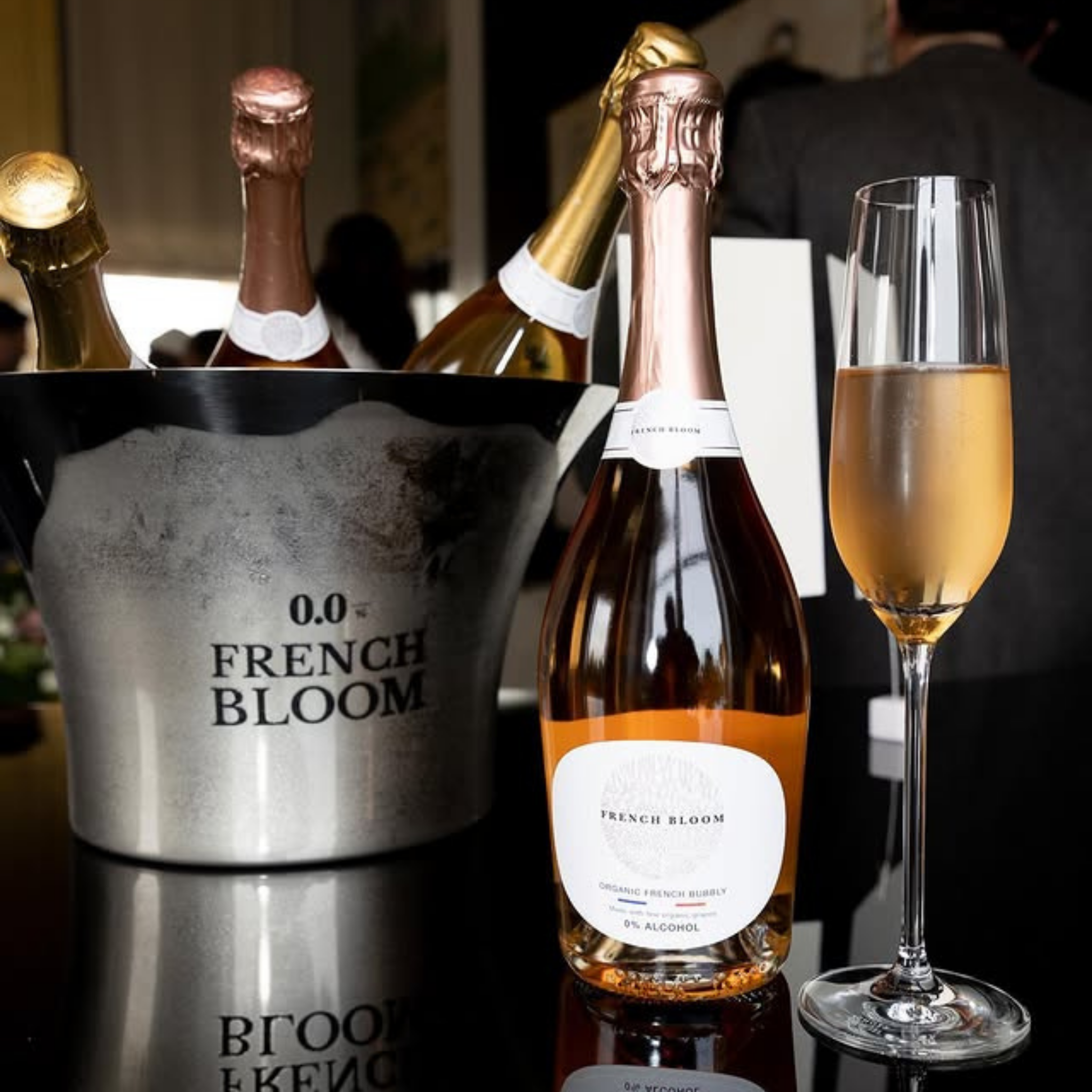
The decision is straightforward: plan enough alcohol-free sparkling so that every guest who does not drink can raise the same glass as everyone else. No need for a large budget — a few well-chosen bottles are enough.
The best alcohol-free sparkling wines available today — dealcoholised sparkling wines, 0% proseccos, effervescent botanical cuvées — have genuine aromatic finesse, fine bubbles, and an elegant appearance in the flute. In photos, they are indistinguishable from champagne.
💡 The wine merchant's tip: prepare a flute filled with alcohol-free sparkling for every guest who does not drink, served at the same time as the champagne. A simple gesture of consideration that is never forgotten.
Quantity: allow 1 bottle of alcohol-free sparkling (75cl) per 6 to 8 guests for the toast. Better to have too many — unopened bottles keep.
→ Alcohol-free sparkling wines · The celebration selection
Decision 4 · The evening dancing: cocktails for everyone
When the dynamic changes
After dinner, the format changes. People move around, the dance floor opens, glasses circulate differently. It is the moment for cocktails — and it is the moment when alcohol-free shines most easily.
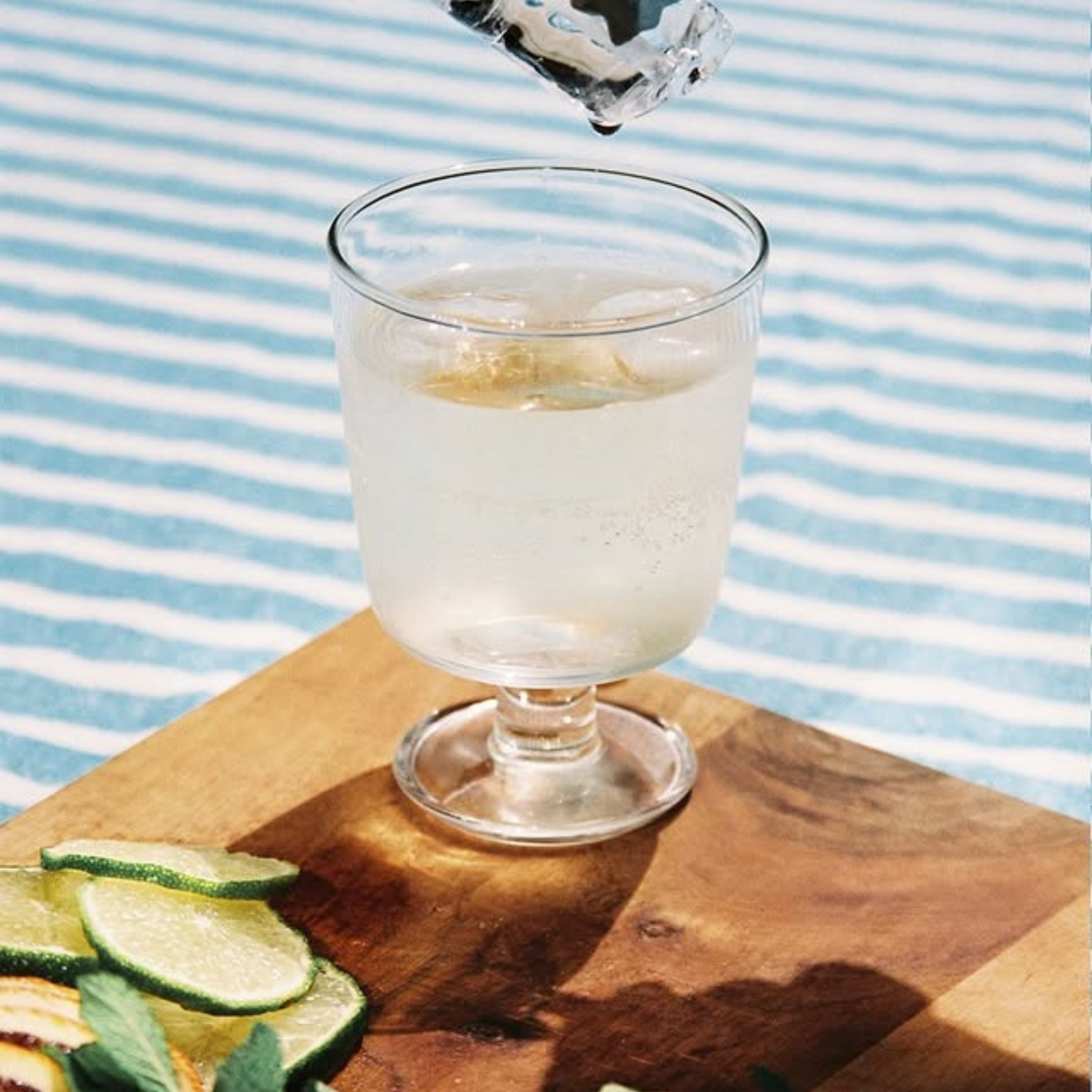
Ready-to-drink cocktails (spritz, mojito, mule, ginger) are poured over ice in thirty seconds. Present them in a bucket with ice, fresh garnishes, and coloured straws — exactly like classic cocktails. Your guests choose what they fancy, with no distinction.
If you have a bar during the evening, ask the bartender to include 2 to 3 alcohol-free cocktail bases on their menu. Alcohol-free botanical spirits (0% gin, 0% rum, botanical whisky) allow all the great classics to be recreated — Moscow Mule, Gin Tonic, Old Fashioned — on demand.
💡 The wine merchant's tip: set up a visible "alcohol-free bar" with the same care as the main bar. A chalkboard with cocktail names, fresh garnishes, appropriate glasses. It is not a separate corner — it is a complementary offer that shows you have thought of everyone.
→ Ready-to-drink cocktails · Alcohol-free mixology bases
Quantities — what you need to plan for
For a wedding of 100 guests, estimating that 25 to 35% of guests will prefer alcohol-free at some point during the day:
Drinks reception (2h) 2 to 3 bottles of alcohol-free sparkling, 12 to 18 individual ready-to-drink cocktails, 6 to 12 alternative soft drinks.
Dinner (3h, 3 courses) 8 to 10 bottles of alcohol-free wine (mix of white/rosé/red according to the menu).
Toast 4 to 5 bottles of alcohol-free sparkling (75cl).
Evening (3h) 24 to 30 ready-to-drink cocktails, 2 to 3 alcohol-free spirit bases for the bar, mixers and tonics.
These figures are starting points — adjust them based on your knowledge of your guests.
Misconceptions to leave behind
"Nobody drinks alcohol-free at a wedding." They do. Consistently. And those guests remember how they were welcomed.
"Alcohol-free is for people who can't handle their drink." No. It is for designated drivers, pregnant women, people who have cut back on alcohol, and everyone making a different choice that evening. In 2026, that is a silent majority.
"It costs more." A good dealcoholised wine sits in the same price range as a classic wine of equivalent quality. The marginal cost is low — the return in hospitality is immense.
"My caterer will take care of it." Ask explicitly. Many caterers still offer soft drinks or water as alternatives. That is not up to the standard of a wedding in 2026.
"This is not the moment for a lesson." Exactly. A wedding is not the moment to convince — it is the moment to serve. You do not have to explain alcohol-free to your guests. You are offering them something delicious, in a beautiful glass. That is all.
Further reading
- Hosting 12 people this summer: the inclusive host's guide
- Alcohol-free sparkling wines: the full selection
- All our discovery gift sets
Frequently asked questions
What alcohol-free drink for the toast at a wedding?
An alcohol-free sparkling — dealcoholised sparkling wine or 0% prosecco — served in a flute at the same temperature as champagne. Allow one bottle per 6 to 8 guests, opened at the moment of the toast to preserve the bubbles.
How many alcohol-free drinks to plan for a wedding?
Estimate between 25 and 35% of your guests as preferring alcohol-free at some point during the day. For 100 guests: approximately 15 bottles of alcohol-free wine for dinner, 5 of sparkling for the toast, and around thirty individual cocktails for the evening.
Is alcohol-free wine served like a classic wine?
Yes. Same serving temperature, same glass, same way of serving. A dealcoholised rosé is served at 8–10°C, a light red at 14–16°C. Your sommelier or caterer can manage the service in exactly the same way as for alcoholic wines.
How do you integrate alcohol-free options into the evening bar?
Ask your bartender to include 2 to 3 alcohol-free spirit bases on their menu — 0% gin, 0% rum, bitter base. With a tonic and a few garnishes, they can prepare any classic in a 0% version. The result is indistinguishable for most guests.
Gueule de Joie — France's first alcohol-free wine merchant since 2019. Over 450 references selected for taste, available with 72h delivery anywhere in France.
