
Today's consumers are increasingly mindful of the practicality, eco-responsibility and aesthetics of their products. When it comes to drinks, one question often comes up: bottle or can? Long considered the "less noble" format, the can struggles to shake off certain prejudices. Yet, with the evolution of consumer habits and the emergence of new trends, it is reinventing itself and establishing itself as a modern, practical and environmentally friendly choice.
So, why is now the time to rethink the can?
When the clichés are (actually) its greatest assets
Often associated with lower-quality products, the can format is still the victim of certain clichés that are far from reflecting reality. What if we told you that these so-called weaknesses were actually its greatest strengths?
1. "Cans affect the taste."
This is one of the most persistent misconceptions. Yet modern cans are fitted with an inner lining that perfectly insulates the drink from the metal and prevents any transfer of taste. Thanks to their opaque material, they also protect the contents from light, another factor that can affect flavour. The product's aroma therefore remains intact, offering a tasting experience identical to that of a bottle format.
Furthermore, cans are airtight, which ensures better preservation of the product compared to glass bottles: they prevent leaks or oxidation, issues that are common with glass bottles, particularly when they are handled or transported.
2. "It's a low-end, impractical format."
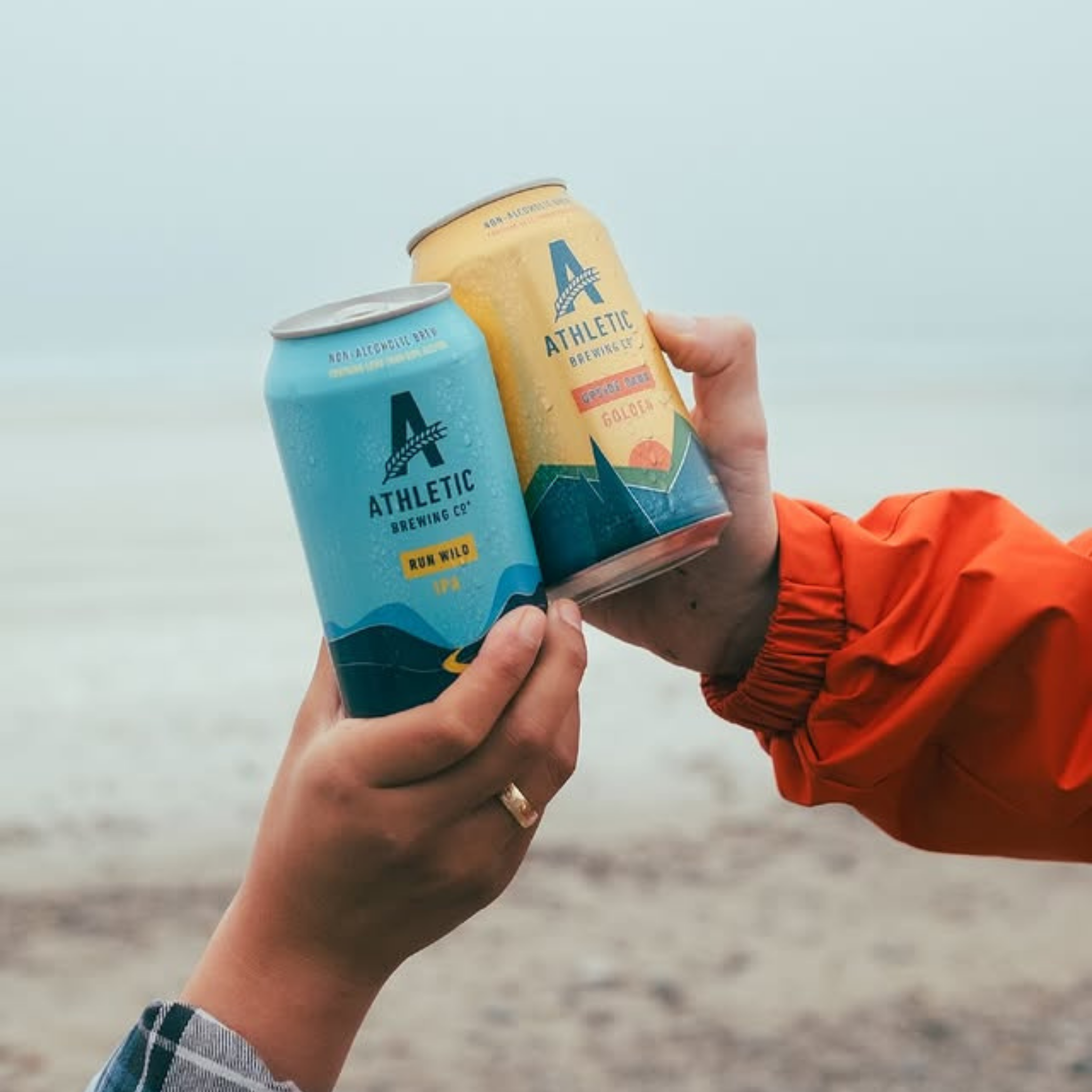
People often think of a can as a "lower quality" choice, a product aimed at a less or not at all discerning audience. Yet many premium brands are today turning to this format to offer a chic and practical alternative. Can design has been widely modernised and stands out for its creativity and refinement. Just like VandeStreek, the must-have of alcohol-free beer, which decided to move its entire offering to cans without sacrificing any of the flavour. Gone is the "cheap" image — the can adapts to all products, including the most premium ones!
Light, unbreakable, easy to carry and store… The can stands out for its practicality. It opens with a single gesture, no corkscrew or bottle opener needed. And it chills faster than a bottle, thanks to its thin, conductive material. It is therefore the ideal format for spontaneous consumption.
3. "Cans are bad for the environment"
Another common misconception: cans are supposedly less eco-friendly than other formats such as glass bottles. Yet recycling aluminium is far simpler and faster than recycling glass, and a can can be recycled indefinitely without any loss of quality. Moreover, they are lightweight, which reduces their carbon footprint during transport. The can is therefore an eco-responsible choice when considering its overall impact.
The can industry has committed to a sustainable approach: producing an aluminium can generates around 40% less CO2 than producing a glass bottle of the same size, and its recycling achieves impressive rates (up to 75% of the metal used being recycled each year).
The can: a modern, trendy… And global format
The can format, long considered an economical and standardised choice, has gradually evolved to become a symbol of practicality, modernity and sustainability. The history of the can dates back to the early 20th century, but it was not until the 1950s that it became truly popular. At that time, aluminium began to replace steel for its lightness and ease of production, making the can more accessible on a large scale. Initially used for sodas or fizzy drinks, the can gradually established itself in many sectors, including beer, energy drinks and alcohol-free beverages.
However, over the years, the can became associated with an image of a "fast drink", often linked to mass-produced or lower-quality products. This stereotype persisted for a long time, until a turning point came in the early 2000s with the emergence of new consumer trends.
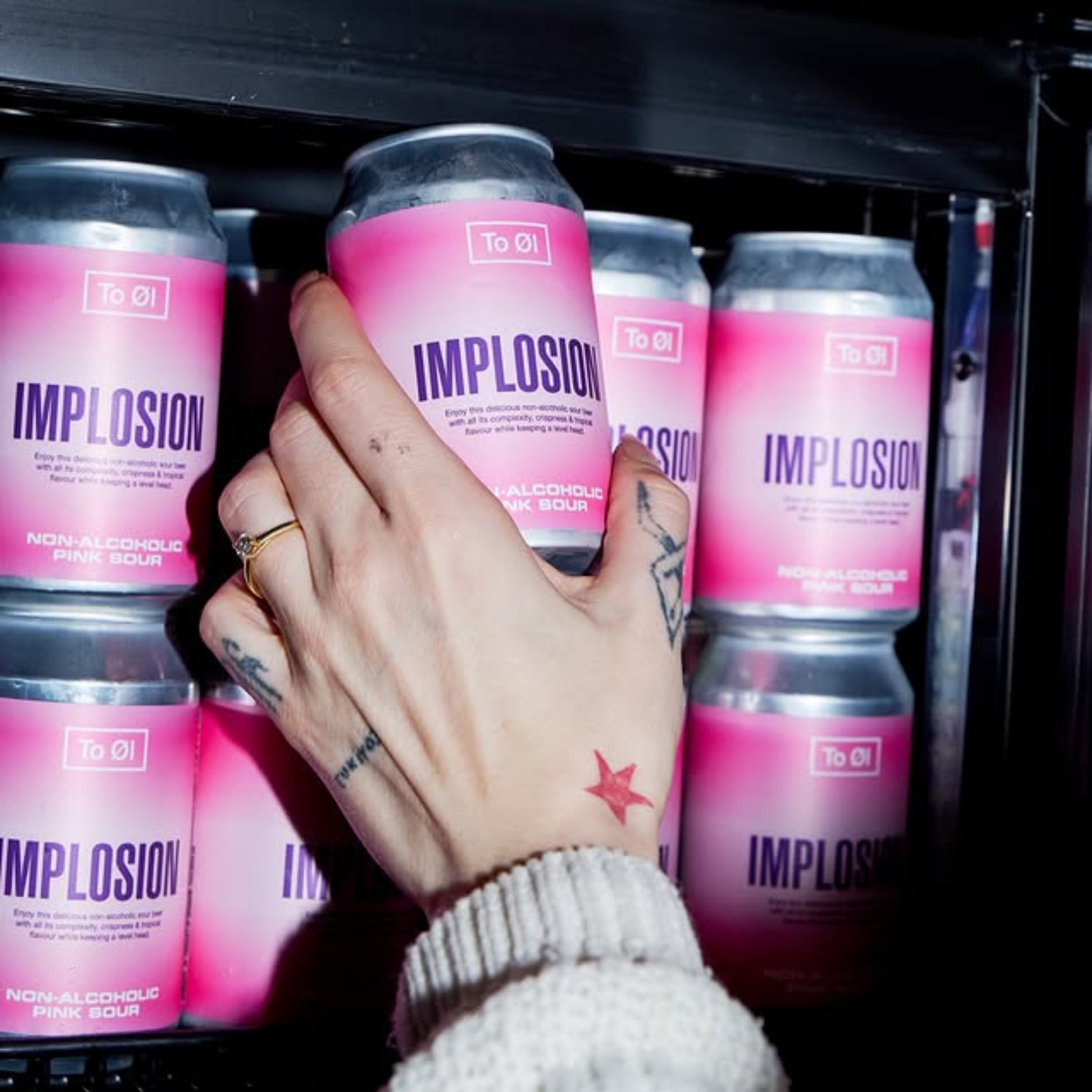
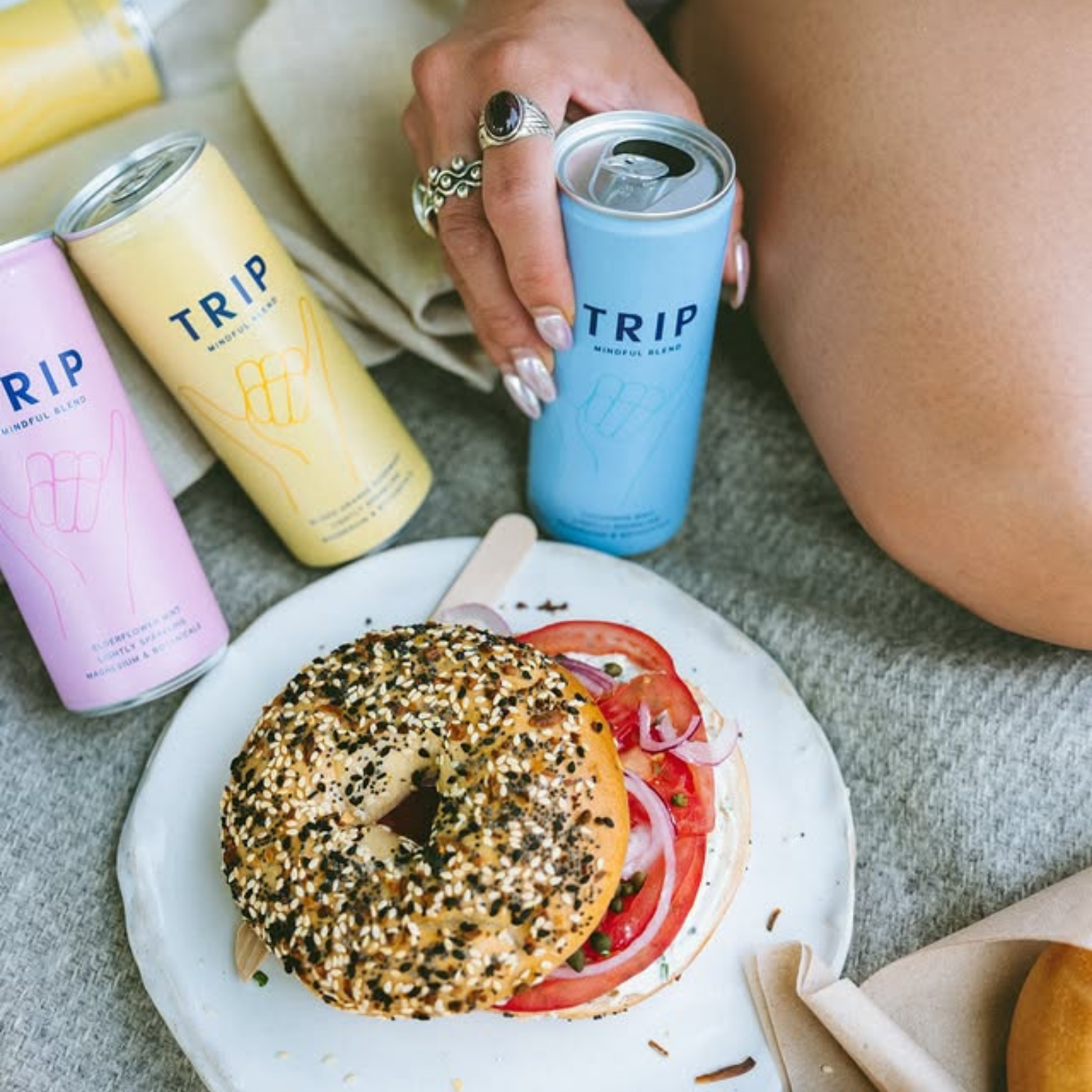
In recent years, there has been a true revolution in the world of the can. With refined designs and modern materials, the can has now established itself as a trending choice. It has become a true collector's item, often adorned with creative graphics that add a touch of personality to each product. This is the case, for example, with the beers Brulo, the soft drinks Trip and even the wines Cypher.
Because yes, even in the land of wine, the can is gaining ground. Long considered incompatible with the world of winemaking, it is now finding its way into refined cuvées, such as those from Cypher, which boldly challenges conventions. Their bet? To offer alcohol-free wines in cans with a tasting experience just as rich and balanced as in a bottle. Proof that this format sacrifices nothing in terms of quality — quite the contrary!
While France is still slightly behind, the trend is already well established internationally. In North America, Scandinavia, Japan and the United Kingdom, the can is a standard, including for premium drinks. So, if other countries have adopted it, why not us?
Canned cocktails: what if we stopped being afraid?
Canned cocktails, often referred to as "ready-to-drink", are still struggling to establish themselves in France. Behind this reluctance lie many misconceptions: a fear that the taste will not be up to scratch, but also, and above all, the loss of the preparation ritual. Yet these prejudices can no longer hold up against the reality of an offering that keeps reinventing itself.
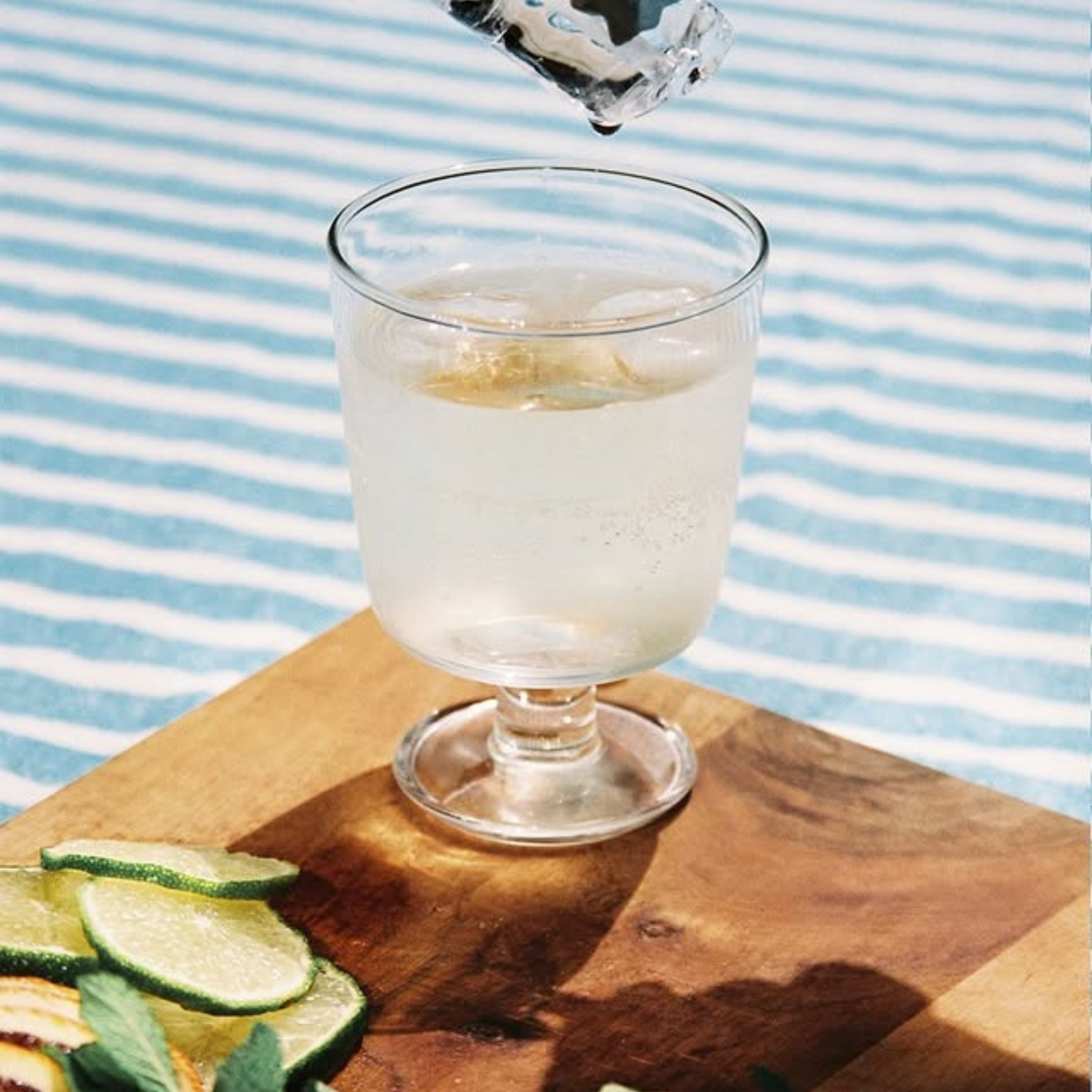
These cocktails are perfectly measured, carefully crafted by mixologists and allow you to enjoy a balanced tasting experience without any particular knowledge of mixology. No shaker or hard-to-find ingredients needed: just open, pour and enjoy. It's simple, effective and, above all, very good. ISH proves this perfectly, with its range of classic alcohol-free cocktails such as the Mojito, the Gin Tonic, the Daiquiri and even the Paloma. These cans offer a simplicity of tasting, while remaining faithful to the flavours you would expect from a well-balanced cocktail.
Can or bottle: which format to choose?
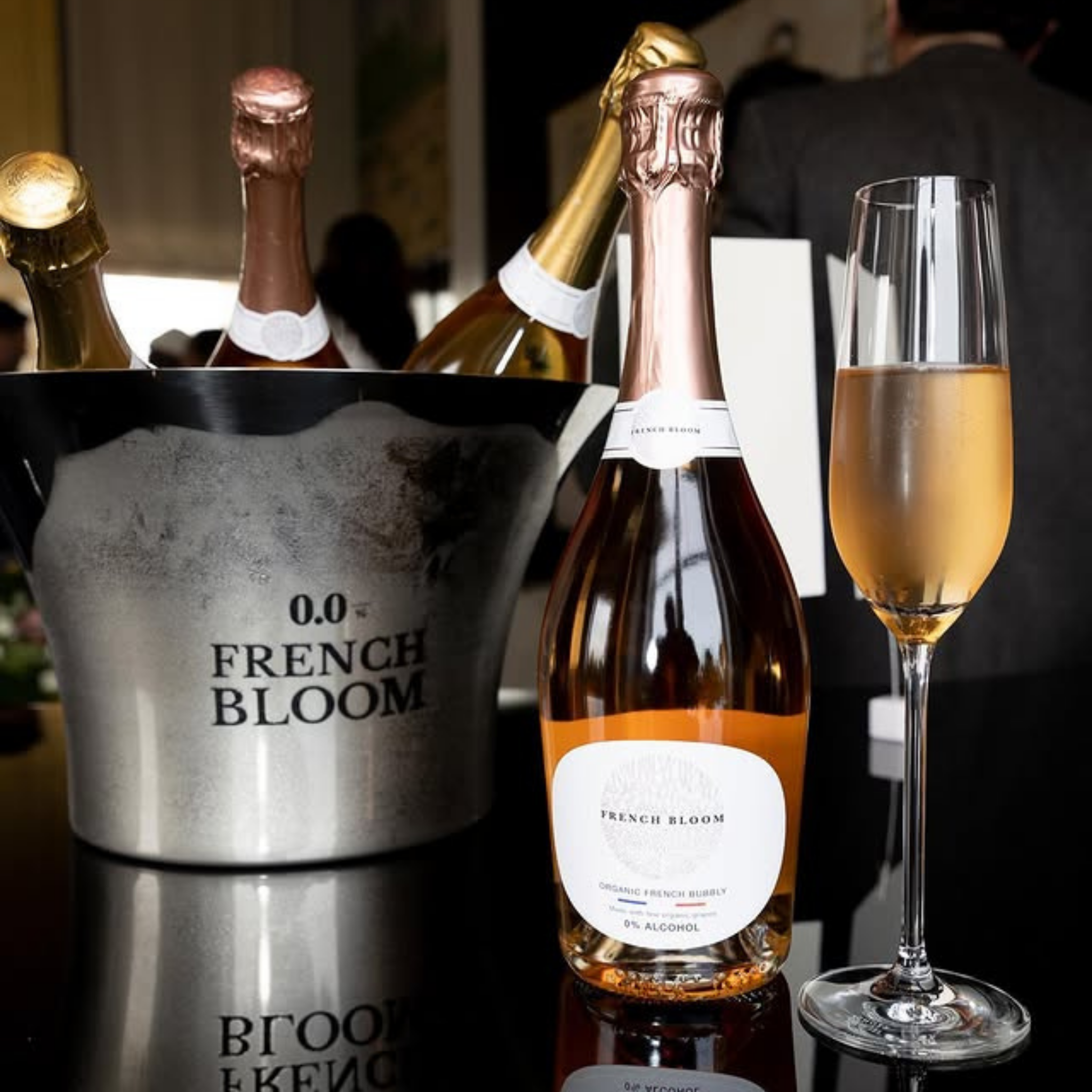
Each format has its advantages, and the choice between can and bottle depends on your personal preferences and the occasion. The bottle remains often associated with more formal moments, such as dinners or special occasions. It is also perceived as more traditional, even more elegant.
On the other hand, the can is perfectly suited to more relaxed situations, where practicality and lightness are key criteria. Whether for a barbecue, a picnic or a moment with friends, the can proves far easier to manage. It also limits waste: in a smaller format, it avoids opening a large bottle only to drink a single glass. A real advantage both on your own and in a group.
There is no better format than the other; it simply depends on the context. But whatever the format, we recommend enjoying our drinks in a glass: these are adult beverages, to be fully appreciated for a premium tasting experience.
Conclusion
Far from the clichés, the can has reinvented itself and established itself as a modern, practical and eco-friendly format. More than a mere trend, it is becoming a considered consumer choice, suited to the needs of our time.
At Gueule de Joie, we are committed to offering you the best of both worlds: the can format and the bottle, so that you can choose according to your desires and your moments. The most important thing remains to fully enjoy your convivial moments, with quality products, whatever the format and style.
So, ready to give the can a try?
