
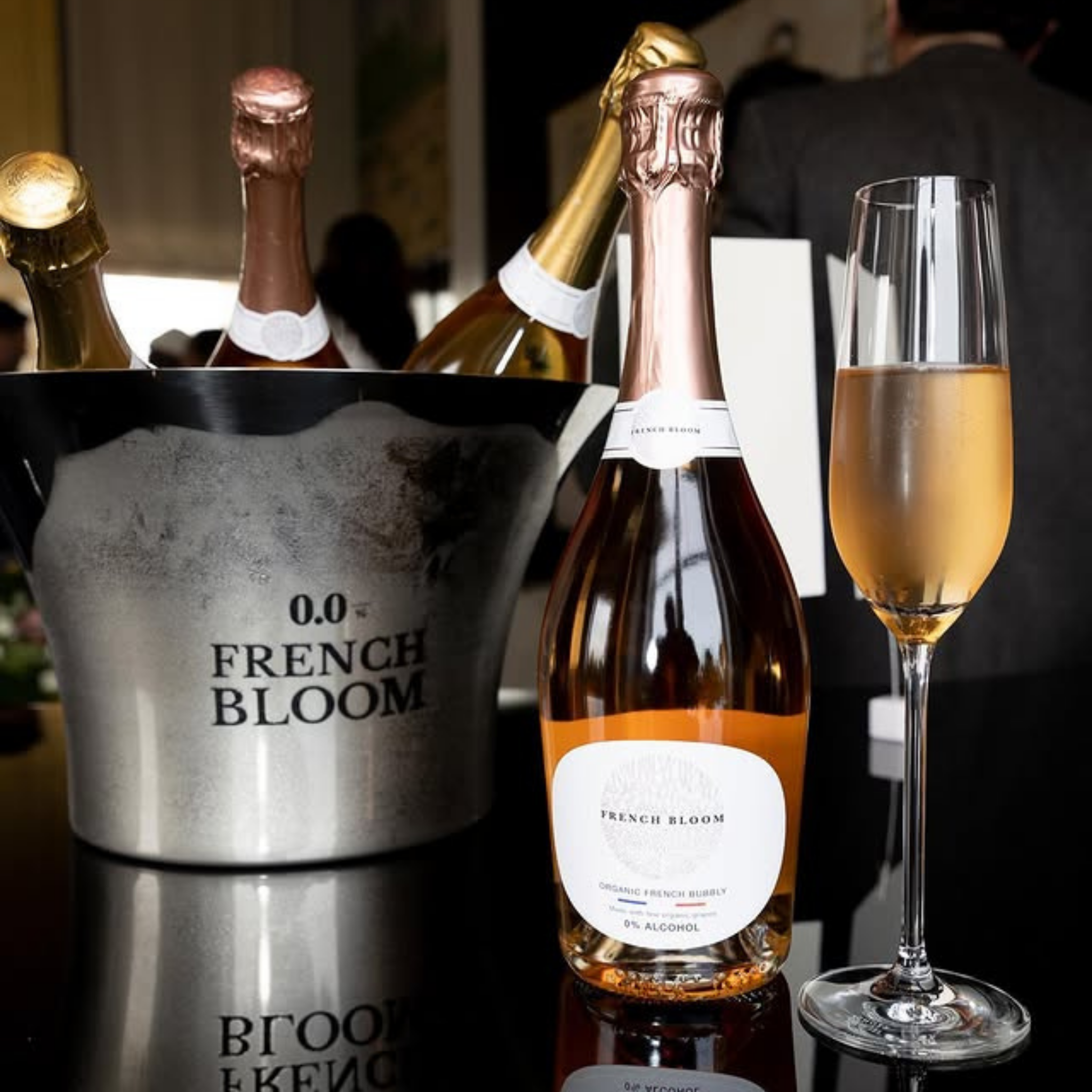
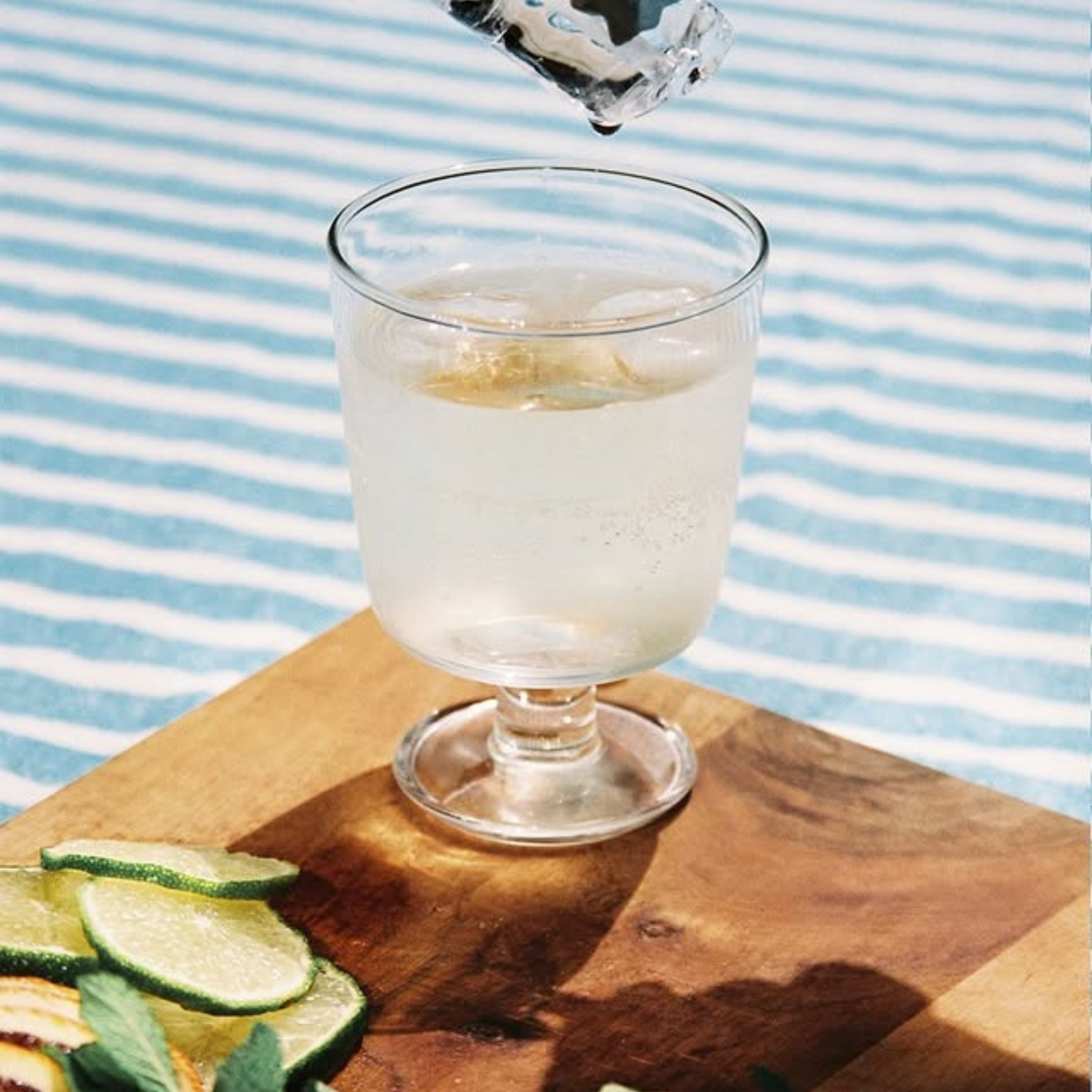

In recent years, non-alcoholic drinks have established themselves as truly festive, indulgent, and creative alternatives. At Gueule de Joie, pioneers of joyful sobriety, we know that a successful tasting is every bit as enjoyable as that of a fine wine or a craft beer. Observing, smelling, tasting, pairing, sharing: an art accessible to everyone.
In this guide, discover how to enjoy your non-alcoholic drinks like a pro and transform each sip into a sensory experience.
1. The art of preparing for tasting
A beautiful tasting begins with presentation. Choose a glass suited to the drink:
-
White, red or rosé wine without alcohol → a balloon or tulip glass which reveals the color and concentrates the aromas.
-
Sparkling 0% → a flute or a champagne glass to admire the fineness of the bubbles.
-
Non-alcoholic craft beers → a stemmed glass, a pint glass or a tumbler depending on the style (IPA, wheat beer, amber ale, fruit beer…).
-
Ready-to-drink cocktails → an old fashioned glass for a spritz or mojito, a highball for a sparkling ginger.
-
Alternative soft drinks (kombucha, kefir, sparkling teas, mate) → a transparent glass that allows you to appreciate the nuances of color.
- Settle into a calm environment, free from extraneous odors, at room temperature. Your senses should be available: tasting is also about slowing down.
2. The nose: exploring the aromatic range
The first contact is olfactory. Bring the glass to your nose and inhale gently:
-
A dealcoholized rosé will reveal notes of red fruits and white flowers.
-
An alcohol-free IPA will evoke citrus, resin, and sometimes a hint of the tropics.
-
A handcrafted kombucha will display a tangy and slightly fermented bouquet.
-
A botanical cocktail base will offer herbaceous, floral or spicy nuances depending on the blend.
The absence of alcohol does not reduce the aromatic richness: on the contrary, it often highlights more subtle details.
3. On the palate: structure, balance and length
As with a classic tasting, observe three stages:
-
The attack (the first sensations): freshness of a non-alcoholic white wine, liveliness of a handcrafted lemonade, roundness of an infused soda.
-
The body (mid-palate): tannic structure of a dealcoholized red wine, creamy texture of a wheat beer, complexity of a sparkling tea.
-
The finish (the aromatic persistence): elegant bitterness of a tonic, sweetness of a non-alcoholic cider, refreshing acidity of a kefir.
Each drink tells a unique story, which deserves to be savored slowly.
4. Food and drink pairings: creativity and pleasure
Tasting like a pro also means knowing how to pair wines. Here are a few pointers:
-
Alcohol-free wines take on their full dimension at the table: a red with a vegetable dish or a mature cheese, a white with grilled fish, a sparkling wine with a fruity dessert.
-
Non-alcoholic beers pair well with convivial dishes: an IPA with a spicy curry, a blonde with a pizza, a roasted brown with a chocolate dessert.
-
Ready-to-drink cocktails are your allies for aperitifs: a 0% spritz with tapas, a non-alcoholic mojito with a fresh salad, a sparkling ginger with Asian dishes.
-
Alternative soft drinks lend themselves to the game of curiosity: kombucha and Japanese cuisine, ginger beer and Caribbean dishes, iced mate and pastries.
- Our cocktail bases inspire creativity: simply top them up with tonic water, ginger beer, cola… or combine them with a selection of our soft drinks to encourage creativity and flavor mixing. You can find our cocktail recipes in the Services section of our website.
5. Store your drinks properly
Tasting also begins with proper storage:
-
Before opening: most non-alcoholic drinks can be stored for a long time in a dry place, at a moderate temperature and away from light.
-
After opening: always follow the instructions on the label. Generally, store in a cool place:
-
Non-alcoholic wines and large-format cocktails: 2 to 4 days, and with a suitable stopper for sparkling wines.
-
Non-alcoholic beers: consume immediately after opening.
-
Cocktail bases: approximately 2 months in the refrigerator for perfectly preserved taste.
-
Non-alcoholic wines and large-format cocktails: 2 to 4 days, and with a suitable stopper for sparkling wines.
A well-preserved drink retains its freshness and aromas, an essential condition for a successful tasting.
6. The spirit of sharing: the true signature of Gueule de Joie
Tasting a non-alcoholic beverage isn't just about analyzing its appearance, aroma, and taste. It's primarily a matter of context and emotion:
-
Sharing a bottle with loved ones.
-
Opening a vintage wine during a festive occasion.
-
Explore new recipes in good company.
At Gueule de Joie, we believe that conviviality doesn't need alcohol to be authentic. Every glass raised is a gesture of freedom and openness, an invitation to celebrate differently.
Conclusion: Enjoying without alcohol means experiencing more possibilities
Observe, smell, taste, pair, store, share: this is the roadmap to a successful tasting. Non-alcoholic drinks are not “almost” wines, beers, or cocktails. They are creations in their own right, demanding, elegant, and inclusive.
So, the next time you open a bottle of Gueule de Joie, take the time to savor it like a pro: your senses and your loved ones will thank you.
