
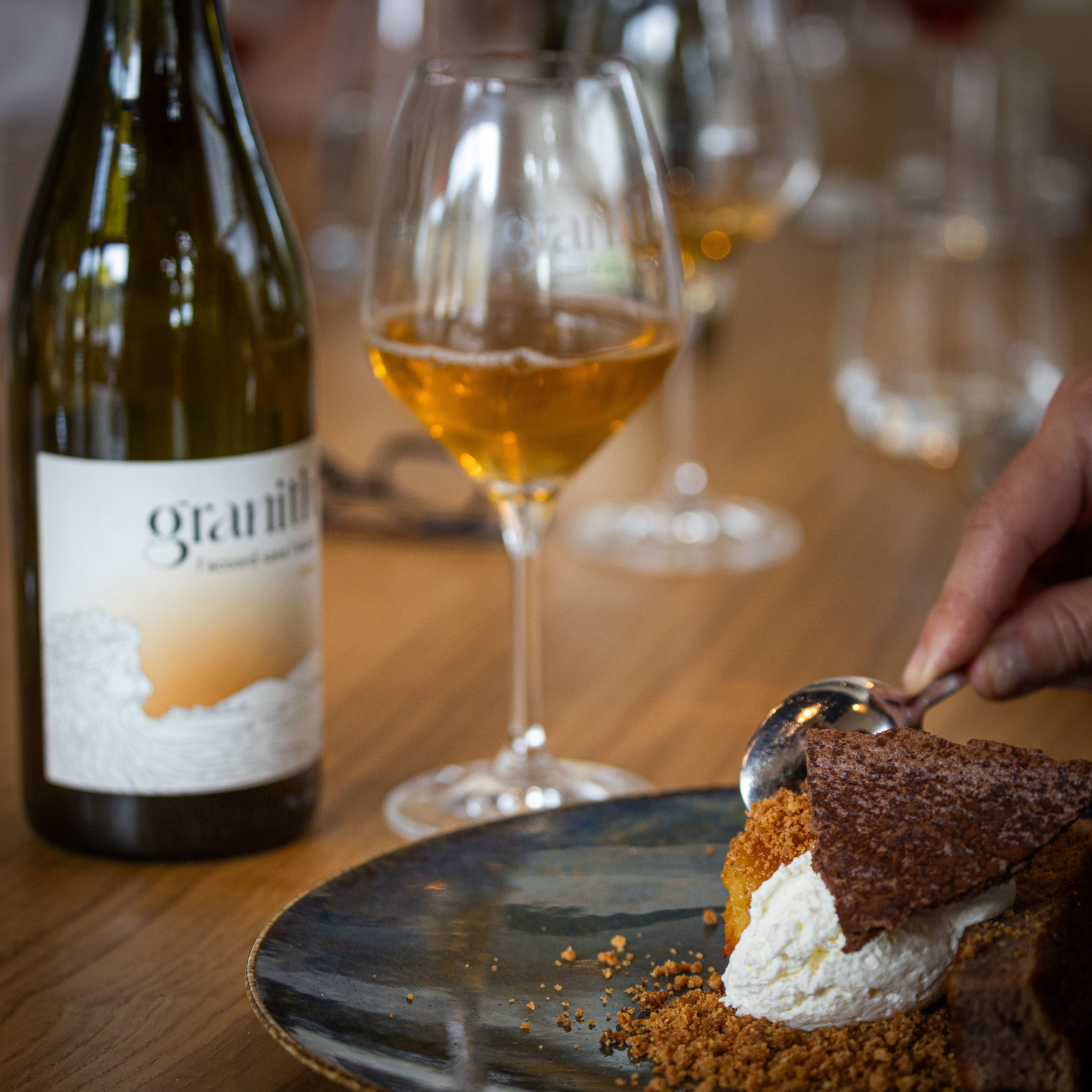
Easter in France is first and foremost a celebration steeped in tradition, a special time to gather with family. The egg hunt, the bells dropping chocolates in gardens—all of this is part of the very essence of this joyous celebration. But Easter is also an opportunity to indulge in chocolate treats. And what if this year you explored pairings of chocolate with non-alcoholic drinks? A subtle combination that will delight your taste buds and add a touch of lightness to your festivities. This article guides you through the secrets of these delicious pairings.
Easter, between tradition and indulgence
The Easter tradition dates back centuries. In France, it is particularly marked by chocolate eggs and the famous egg hunt, a fun activity where young and old alike embark on a quest for sweet treasures, often hidden in the garden. But why chocolate eggs? The egg symbolizes life and rebirth, a nod to spring and the resurrection in the Christian tradition. Today, this custom has evolved, and chocolate eggs have become an essential part of Easter, representing both pleasure and indulgence.
The health benefits of chocolate
Chocolate, especially when it's rich in cocoa, isn't just a sweet treat: it also boasts unexpected health benefits. Cocoa is a significant source of antioxidants, compounds that help protect the body from free radicals and prevent certain effects of aging. It also contains magnesium, essential for proper muscle and nerve function, and flavonoids that contribute to improved blood circulation. But did you know that chocolate is also a mood booster? Cocoa promotes the production of serotonin, the "happiness hormone," making it a valuable ally against stress and a little dose of well-being!
Choosing the right chocolate is essential to fully enjoy its benefits. Opt for a high-quality chocolate with a high cocoa content (70% or more), preferably from sustainable agriculture and with certified origin cocoa. These choices will offer you richer and more intense aromas, while guaranteeing a quality product.
Why choose non-alcoholic drinks with chocolate?
Pairing non-alcoholic drinks with chocolate enhances the aromas of the cocoa while adding a touch of lightness to the overall experience. Unlike alcohol, which can sometimes mask the delicate flavors of chocolate, non-alcoholic drinks subtly and harmoniously reveal and complement the tastes.
Non-alcoholic drinks offer a refreshing touch or a hint of acidity that balances the richness of chocolate. They allow you to enjoy your chocolate without feeling weighed down and provide a more balanced tasting experience, ideal for savoring each bite in moderation. Furthermore, by choosing these drinks, you invite your guests, young and old, to discover new flavors while maintaining a spirit of conviviality and enjoyment.
The best chocolate and soft drink pairings
Here are some suggestions to enhance your Easter celebrations:
With dark chocolate (70% and above)
Dark chocolate is an intense chocolate, with pronounced aromas of roasted cocoa, dried fruit, and sometimes even spicy notes. It is distinguished by a bitterness that gives it character. To accompany it, a plain or fruity kombucha is an excellent choice. The natural acidity of the kombucha will contrast harmoniously with the bitterness of the chocolate, while also revealing its roasted notes. This pairing creates a subtle balance between freshness and depth, where each sip of kombucha enhances the aromas of the dark chocolate.
Another excellent pairing for dark chocolate is a cocktail with a non-alcoholic, plant-based spirit, such as non-alcoholic gin. This type of drink adds an aromatic complexity that complements the richness of the chocolate without overpowering its flavors. The cocktail's herbaceous and spicy notes harmonize with the bitterness of the cocoa for a deep and refined tasting experience.
Drinks to avoid : overly sweet drinks that overpower the subtle bitterness of dark chocolate.
With milk chocolate
Milk chocolate is milder and creamier, with sweet, milky aromas that are particularly appealing to children. To balance its sweetness, a sparkling herbal infusion, such as white tea or chamomile, can add a touch of lightness. These infusions offer a refreshing quality that counterbalances the sweetness of milk chocolate without making it heavy.
Another good choice would be a non-alcoholic amber beer, with its caramel notes that resonate perfectly with the milky sweetness of milk chocolate. The beer's gentle bitterness balances the chocolate's sugars, creating a surprising yet delicious pairing.
Drinks to avoid : Drinks that are too bitter or too acidic, which may mask the sweetness of milk chocolate and create an unpleasant contrast in the mouth.
With white chocolate
White chocolate, smooth and creamy, has a high cocoa butter content that makes it very sweet. To balance this sweetness, a red fruit cocktail, made with raspberries or cherries for example, is a perfect pairing. The acidity of the red fruits enhances the sweetness of the white chocolate and gives it a lively character.
A soft drink with notes of vanilla or orange blossom, with its smoothness and sweetness, is also an ideal option. These drinks add a touch of indulgence and sweetness that perfectly complements white chocolate.
Drinks to avoid : Drinks that are too bitter (based on strong espresso or very strong black tea) may create too strong a contrast with the sweetness of white chocolate and thus generate an imbalance in the flavors.
Gueule de Joie's expertise: your gourmet partner
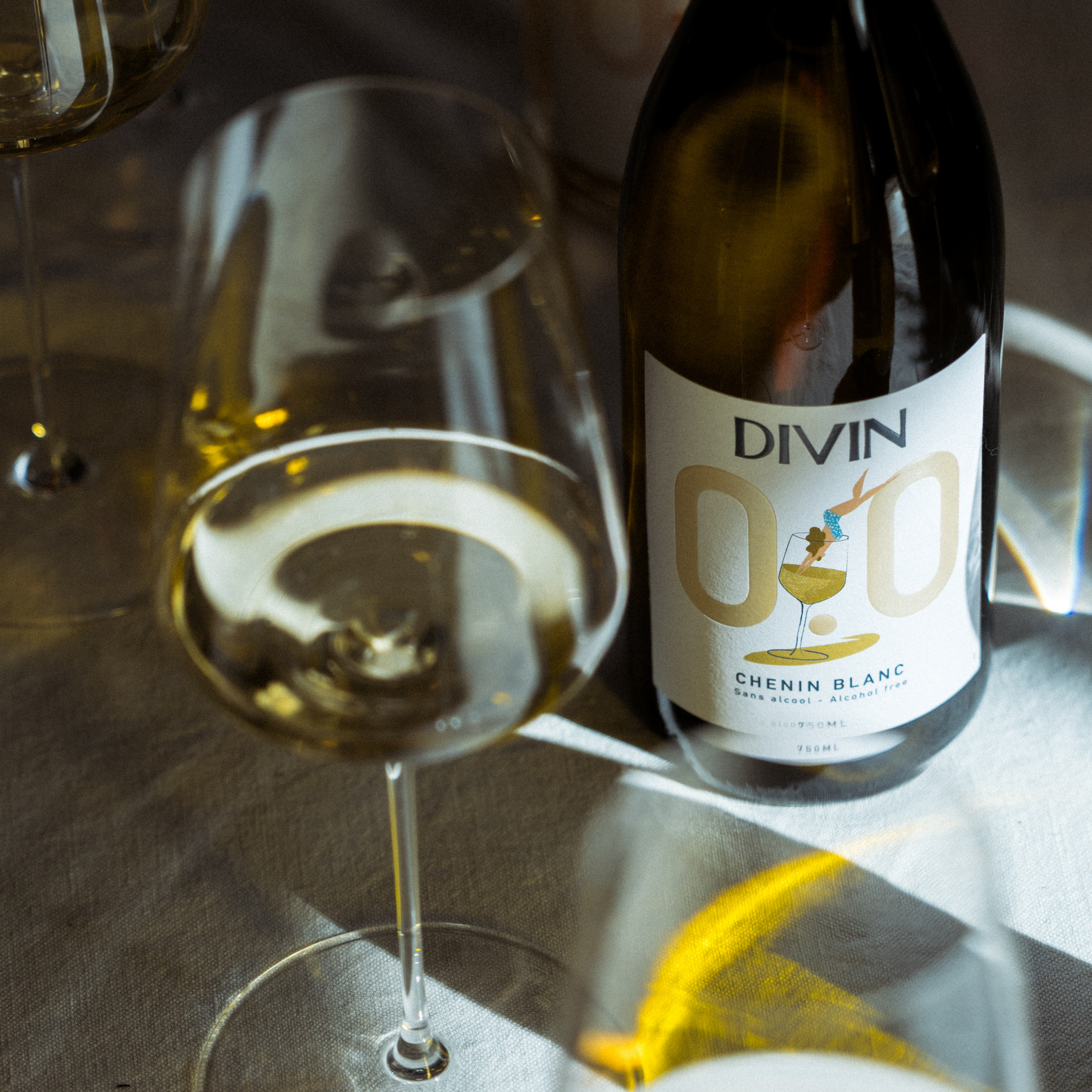
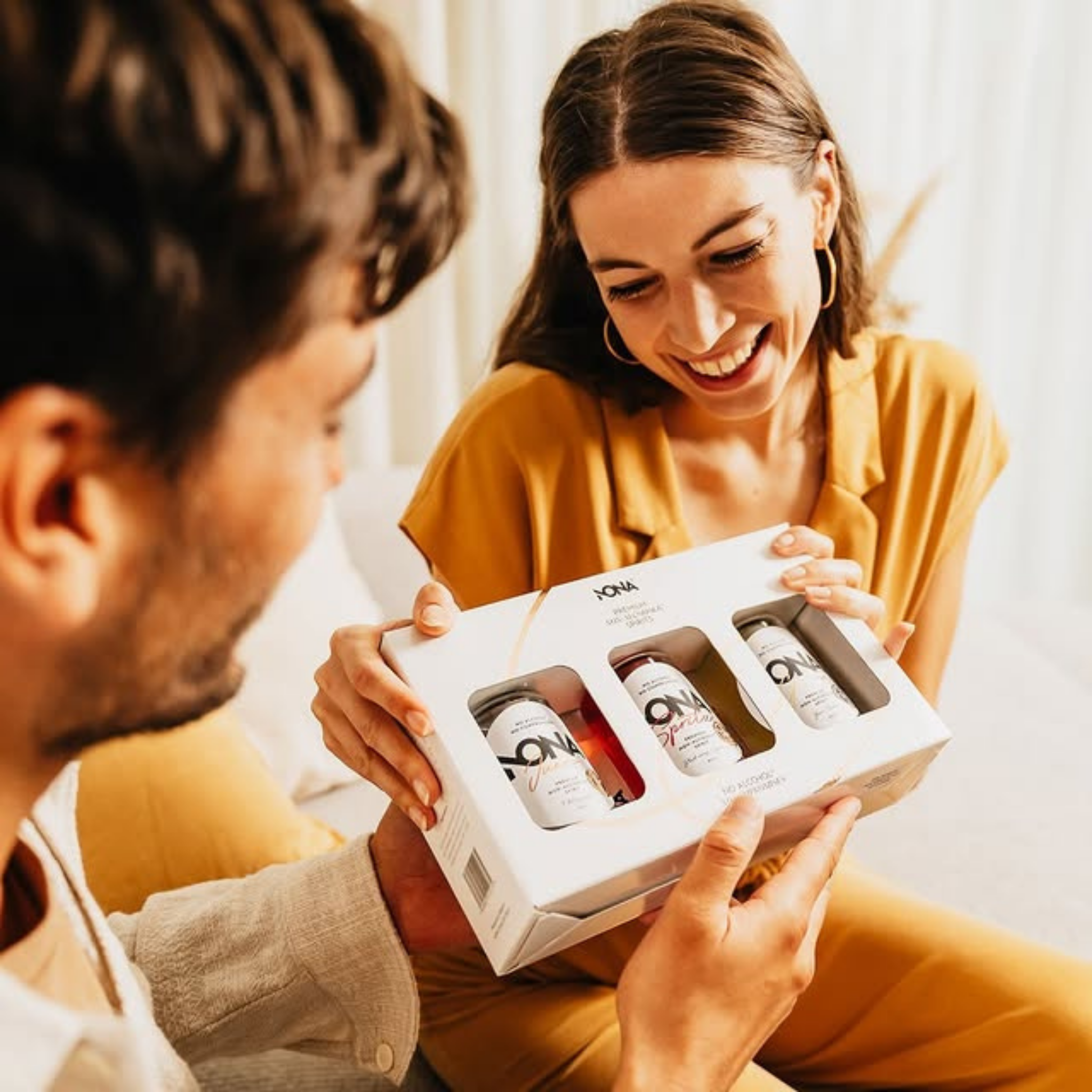
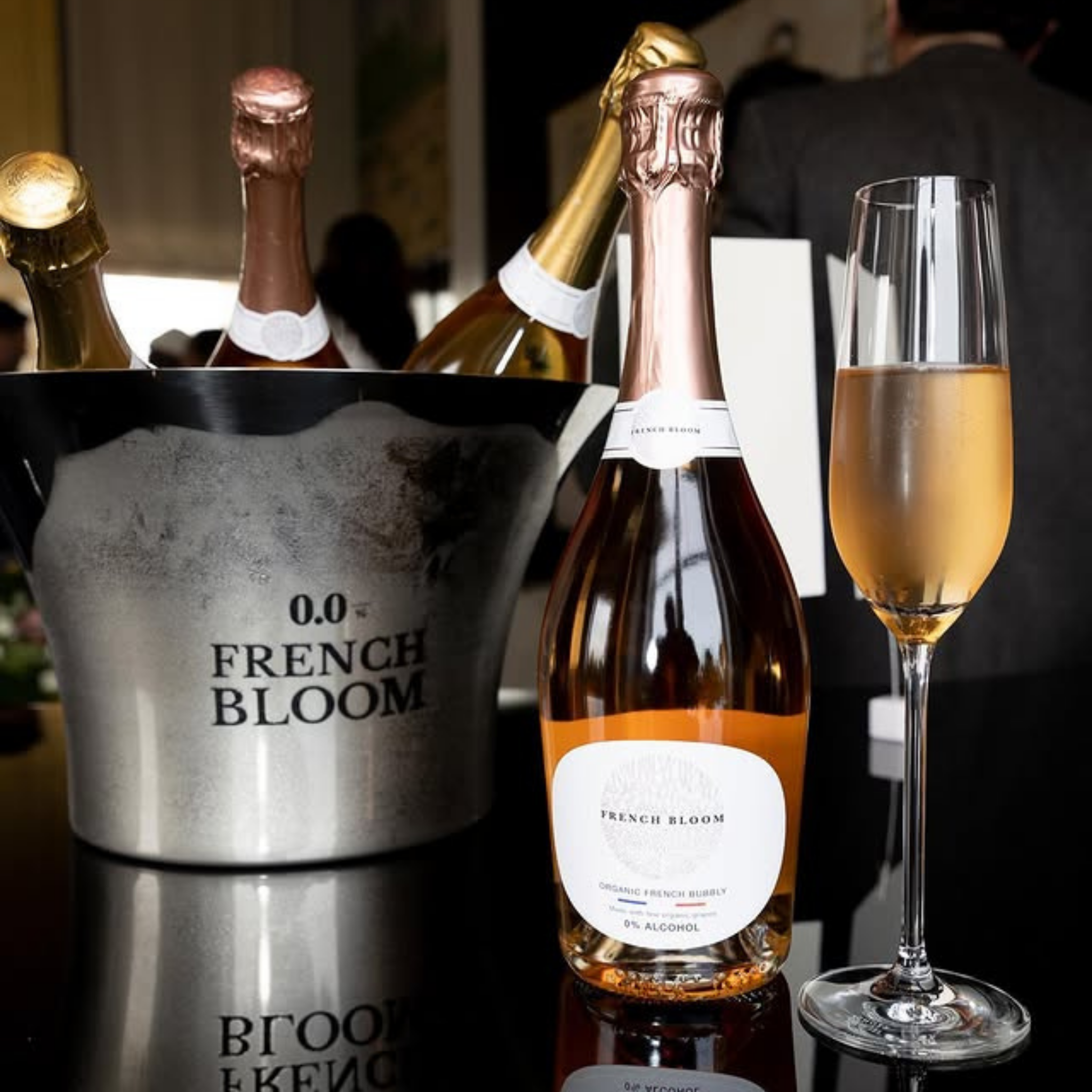
At Gueule de Joie, we're here to help you celebrate your convivial moments, including Easter. Our selection of non-alcoholic drinks ( de-alcoholized wines , craft beers , 0% cocktails , alternative soft drinks , gourmet beverages , etc.) is designed to complement and enhance your indulgent moments.
Explore our site and discover all the available options to make your Easter meals a true feast of flavors!